Yes, you can paint aluminum siding, but oxidation is the obstacle. Aluminum develops a chalky, powdery layer that prevents primer and paint from bonding. Remove it with a dedicated bonding cleaner, then apply a metal-bonding primer before any topcoat. Use 100% acrylic exterior paint rated for metal and apply two coats. Done correctly, painted aluminum siding lasts 8 to 12 years in the foothills climate.
Yes, you can paint aluminum siding. But painting aluminum siding successfully requires a different approach than painting other exterior surfaces. The issue is not whether it can be painted. What matters is what you have to do first to make the paint stick and last.
Aluminum siding is a candidate for paint when the surface is properly prepped. The challenge is oxidation and the chalk residue that builds up on aluminum over time. Handle that and the paint will adhere well and hold up for years. Skip that step and the paint will peel.
This is the process I use on exterior siding jobs throughout Auburn and Placer County.
Why Does Aluminum Siding Take Paint Well Once It Is Prepped?
Aluminum is actually an excellent substrate for paint when the surface is clean and free of oxidation. The metal does not rot like wood and does not absorb moisture unevenly like composite materials. Once you remove the oxidized layer and seal the surface with primer, aluminum holds paint as well as any exterior material.
Cost is another reason to paint instead of replace. Aluminum siding replacement for a full house exterior can run $15,000 to $40,000 or more depending on size and material grade. A professional paint job on the same house costs a fraction of that and gives you a refreshed exterior for a decade or more.
The key is understanding what oxidation does and why it has to be addressed before any primer goes on.
What Makes Oxidation and Chalking Such a Challenge on Aluminum Siding?
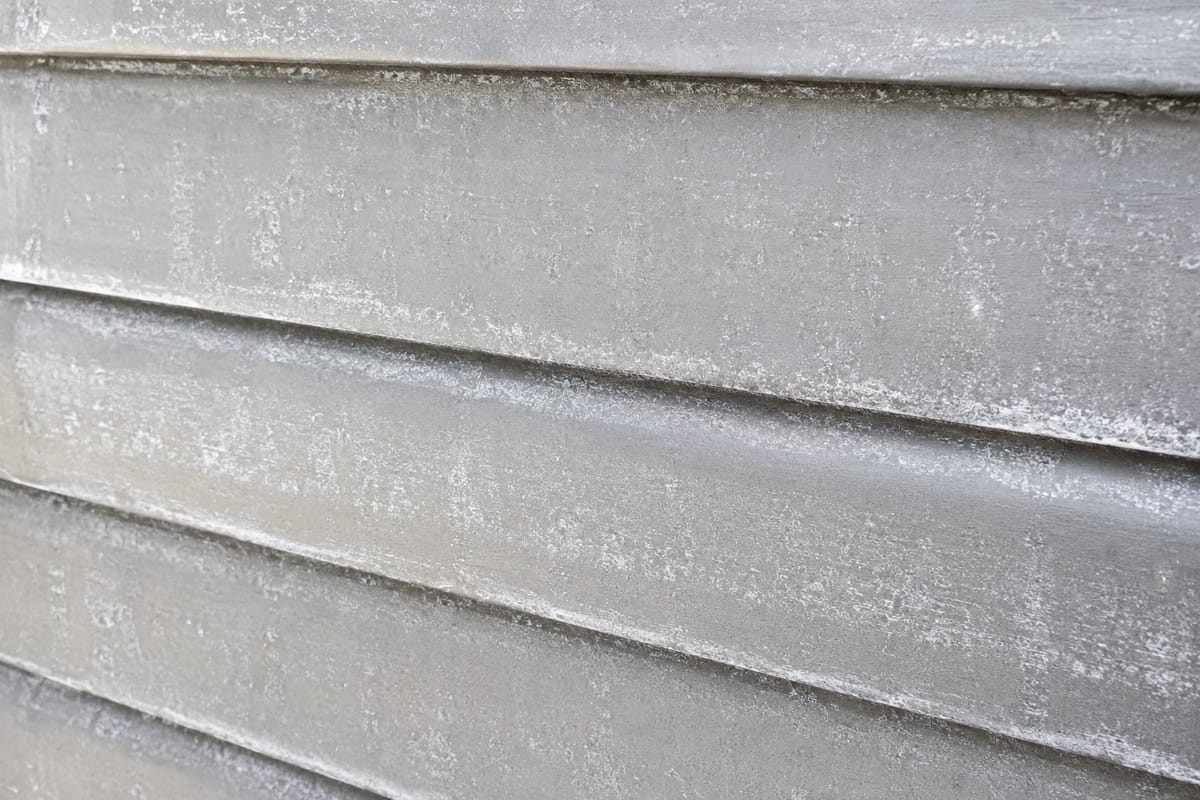
Aluminum oxidizes naturally when exposed to air and moisture. This oxidation creates a powdery, chalky layer on the surface. It looks like a dull haze on the aluminum and feels gritty if you run your hand across it. That chalk is not just cosmetic. It prevents primer and paint from bonding to the metal underneath.
If you paint over oxidation without removing it first, the paint has nothing to grip. It will peel within a year, often much sooner.
The degree of oxidation varies. Light oxidation can be addressed with aggressive cleaning and a bonding primer. Heavy oxidation that has pitted the aluminum surface requires mechanical removal.
How Do You Paint Aluminum Siding Step by Step?
Step 1: Clean and Degrease the Surface
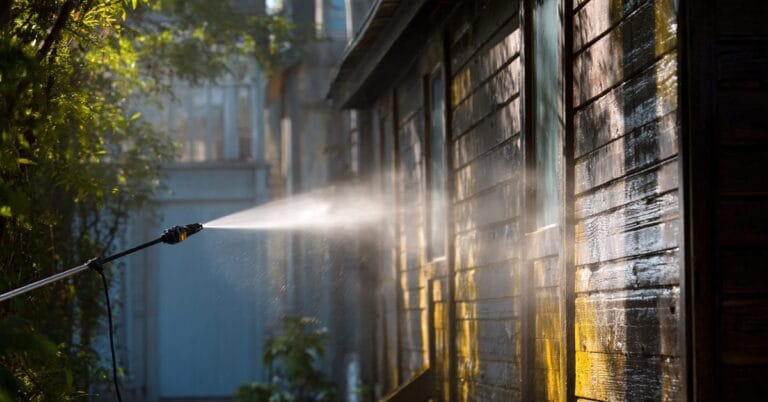
Start with a pressure washer to remove dirt, algae, and loose oxidation. Set the pressure to moderate, around 1,500 to 2,000 PSI. Too much pressure can dent or damage the aluminum panels. Hold the nozzle at least 12 inches away and work methodically across the surface from top to bottom.
After pressure washing, wash the surface again with a dedicated aluminum cleaner or TSP substitute mixed with water. This removes the remaining chalk and oxidation residue. Scrub the entire surface, paying attention to horizontal surfaces where oxidation accumulates. Rinse thoroughly with clean water and let the siding dry completely.
Do not skip this step. If chalk remains on the surface, the primer will not bond properly. For technique on safe pressure washing of aluminum siding, see my guide on pressure washing before a paint job.
Step 2: Address Oxidation With a Bonding Cleaner
Once the surface is clean and dry, apply an aluminum bonding cleaner. This is a chemical treatment that further removes oxidation and prepares the surface for primer. It typically comes as a liquid that you apply with a brush or roller, let sit for 10 to 20 minutes, and then rinse off.
A bonding cleaner is not optional on heavily oxidized siding. It is the difference between paint that fails in a year and paint that lasts a decade.
Step 3: Prime With a Bonding Primer for Metal
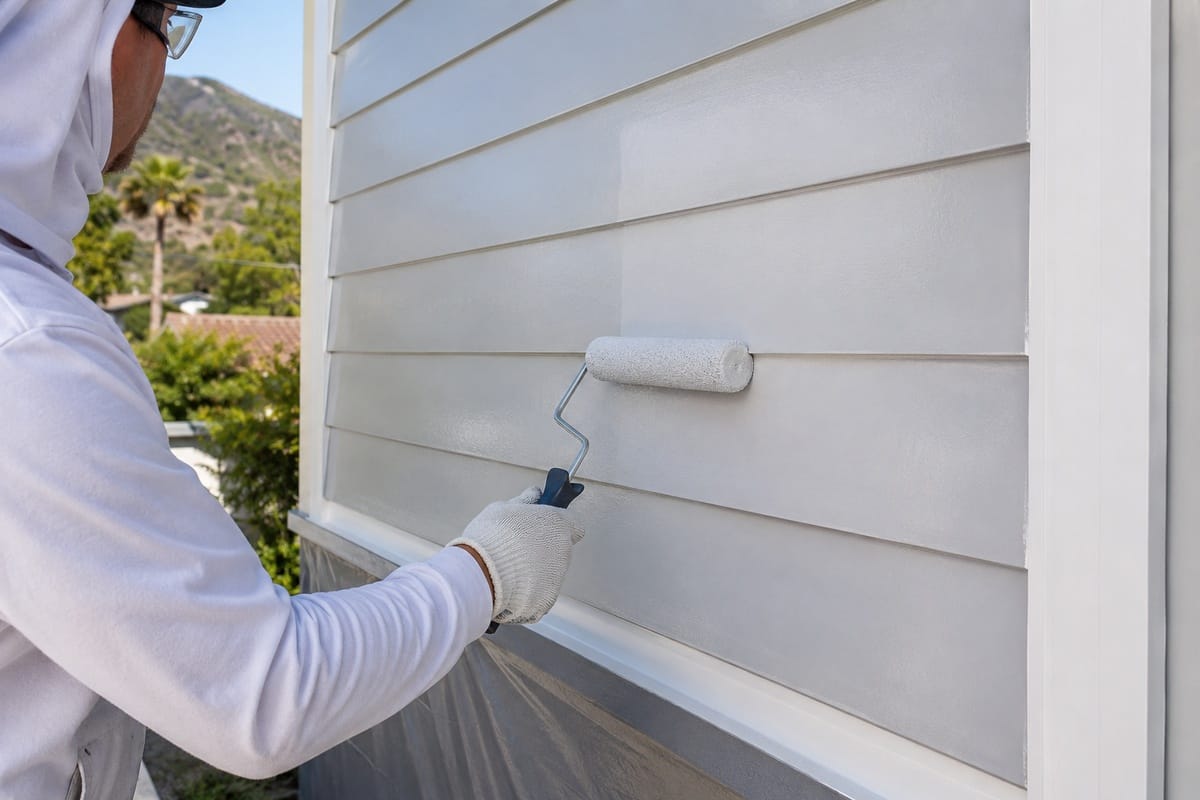
Use a primer formulated specifically for metal or aluminum surfaces. A standard exterior primer will not bond to aluminum as well as a metal-specific primer. Products formulated for aluminum create a tighter seal and better adhesion for the topcoat.
Apply primer with a 4-inch foam roller on the flat faces of the siding panels. Use a brush for the edges where panels overlap and for any trim details. Keep the coat thin and even. One coat of quality metal primer is typically sufficient, but check the product label for coverage rates.
Let the primer cure fully. Most metal-bonding primers cure in 24 hours in dry conditions.
Step 4: Apply the Topcoat
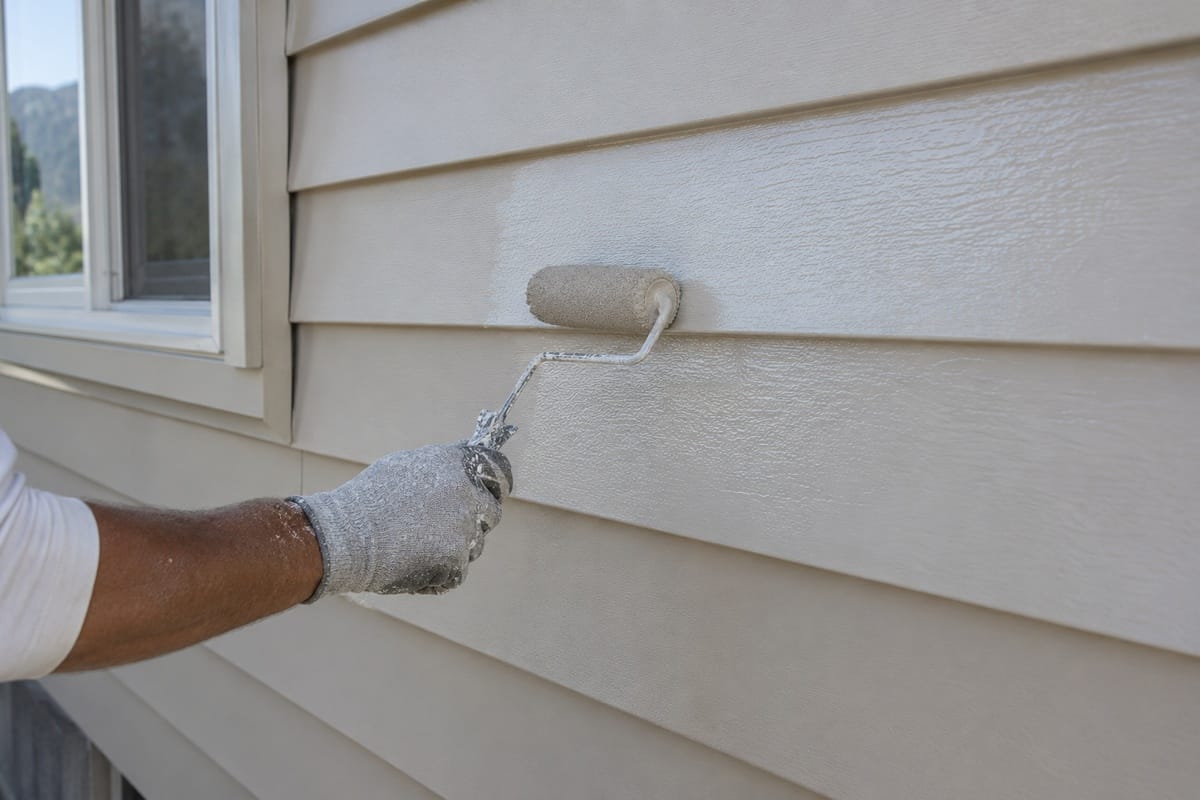
Use a 100% acrylic exterior paint rated for metal surfaces. Acrylic paint has good flexibility, which is important because aluminum expands and contracts with temperature changes. It also resists UV fading and holds up well to moisture.
Apply with a foam roller on the flat panels, working in long, overlapping strokes to maintain a wet edge. Use a brush for edges, overlaps, and detail work. Two coats is the standard, sanding lightly with 220-grit between coats.
Paint in mild weather. Temperatures should be between 50 and 85 degrees. Avoid painting in direct sun or when rain is expected within 24 hours. Paint applied in direct sun dries too fast to level out and will show brush and roller marks.
What Paint Should You Use on Aluminum Siding?
The paint matters. Use a 100% acrylic exterior paint rated for metal surfaces. Some painters use acrylic latex, which is fine, but pure acrylic formulations tend to level better and cure harder.
Avoid oil-based paint on aluminum. It bonds reasonably well but does not expand and contract with the aluminum as evenly as acrylic, and cleanup is messy.
Avoid interior paint, kitchen and bath paint, or any paint not formulated for exterior use. These products do not have the UV resistance and moisture durability that aluminum siding needs.
Pro Tip
If the siding is in poor condition with significant rust staining or heavily pitted oxidation, consider a paint system designed for metal repair. Some products include built-in oxidation inhibitors and thicker formulations that fill small surface imperfections better than standard paint.
What Sheen Should You Use on Aluminum Siding?
Flat and eggshell finishes are not appropriate for exterior aluminum siding. Flat paint absorbs moisture and shows every mark. Eggshell is only slightly better.
Satin is the best choice for most aluminum siding. It is durable, easy to clean, and forgiving of minor surface imperfections in the prep. Semi-gloss works well for a higher-shine appearance but requires cleaner prep because it makes imperfections more visible.
How Long Does Painted Aluminum Siding Last?
With proper prep, a bonding primer, and quality exterior paint, painted aluminum siding should hold up for 8 to 12 years before it needs repainting. That timeline depends on several factors.
Sun exposure is the biggest variable. Siding on the south and west sides of the house takes more UV and will fade and weather faster than north-facing siding. Direct sun exposure can reduce the life of the finish by 2 to 3 years.
Climate matters too. Areas with high humidity and frequent rain tend to be harder on paint finishes than drier climates. In the Auburn and Placer County area, we get decent rain in winter and hot, dry summers. That cycle of wet and dry accelerates wear.
Prep quality is the most controllable factor. Siding that was properly cleaned, treated with a bonding cleaner, primed with a metal-bonding primer, and painted with quality exterior paint will last significantly longer than siding that was just washed and painted. If you’re evaluating whether your aluminum siding is ready for paint or replacement, the signs your exterior needs paint guide covers the full picture.
What Are the Most Common Mistakes That Cause Painted Aluminum Siding to Fail?
- Skipping the bonding cleaner or degreaser. Chalk and oxidation prevent primer from bonding. The paint will peel within months if the surface is not properly cleaned and treated.
- Using a standard primer instead of a metal-bonding primer. Not all primers bond equally to aluminum. Generic exterior primer will not perform as well as a primer formulated for metal surfaces.
- Painting over active rust or heavy oxidation. Light oxidation can be addressed with a bonding cleaner. Heavy oxidation requires mechanical removal or a specialized primer.
- Using interior paint or non-metal-rated exterior paint. The paint will not have the durability required for exterior aluminum.
- Painting in poor weather conditions. Painting in direct sun or when temperatures drop below 50 degrees leads to poor adhesion and finish quality issues.
- Skipping a second coat. One coat of paint on aluminum siding usually leaves coverage gaps and results in shorter paint life.
When Should You Hire a Professional to Paint Aluminum Siding?
Painting aluminum siding is a doable DIY project if you have access to a pressure washer, quality painting tools, and a few days of mild weather. The work itself is not highly technical. The challenge is thoroughness: skipping cleaning steps or rushing between coats is where most DIY jobs fail.
The equipment also matters. A pressure washer is essential, and renting one properly and using it safely takes familiarity. Reaching high siding on single-story or two-story homes requires safe ladder work.
If your home’s siding is heavily oxidized or if you want a finish that is guaranteed to perform, hiring a professional makes sense. If your siding is vinyl rather than aluminum, the process differs significantly. See my guide on painting vinyl siding for what that involves. On jobs throughout Auburn, Granite Bay, Rocklin, and the surrounding Placer County area, I handle the complete process from pressure washing through final coats, covering complete exterior painting that includes siding, trim, fascia, and soffit work.
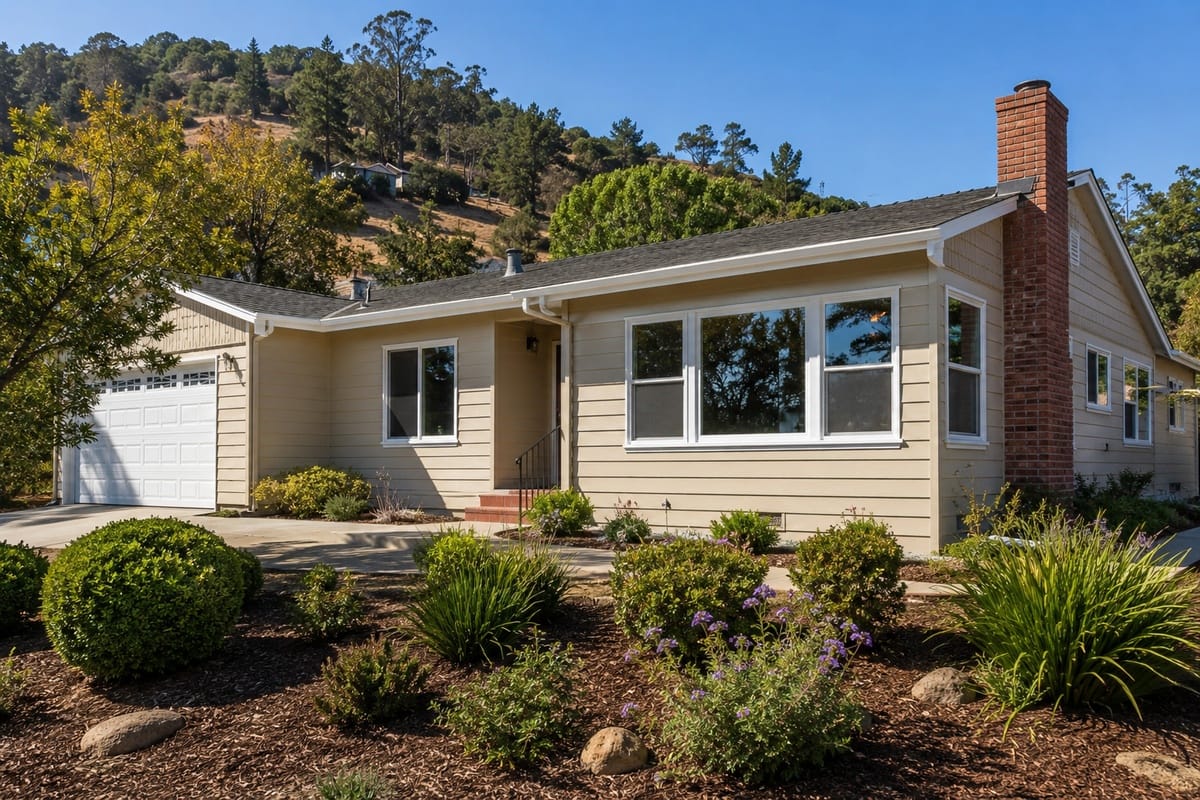
Aluminum siding work is a common part of exterior projects I handle throughout Auburn and Placer County. If you need a house painter in Auburn for siding, trim, or a full exterior repaint, take a look at my services.
Frequently Asked Questions
Can you paint directly on aluminum siding without a bonding cleaner?
Technically yes, but it is not recommended. If the aluminum has any oxidation or chalk on the surface, the primer and paint will not bond as well. A bonding cleaner ensures the surface is truly clean and increases the chances of long-term adhesion. It takes minimal extra time and is worth doing every time.
What is the difference between a bonding cleaner and regular degreaser?
A degreaser removes oils and surface dirt. A bonding cleaner goes further and chemically addresses oxidation on the aluminum itself. On heavily oxidized siding, a bonding cleaner is more effective at preparing the surface for primer. For light oxidation, a good degreaser may be sufficient.
Do I need a special primer for aluminum siding?
Yes. A primer formulated for metal surfaces creates better adhesion on aluminum than a standard exterior primer. Look for products labeled as bonding primer, metal primer, or aluminum primer. The extra cost is minimal and the performance difference is significant.
How long does it take to paint aluminum siding on a full house?
A typical single-story house with 2,000 to 2,500 square feet of siding takes 3 to 5 days including pressure washing, cleaning, primer, and two coats of paint. Two-story homes take longer. Most of the time is drying time between coats, not labor time.
Can you paint over rust stains on aluminum siding?
Light rust staining from fasteners or runoff can often be cleaned away with a bonding cleaner and pressure washing. Heavy rust with pitting requires more aggressive treatment. If rust has etched into the aluminum surface, it may need chemical treatment or primer with built-in rust inhibitors. Severe rust may make replacement more practical than painting.
How often do you need to repaint aluminum siding?
With proper prep and quality paint, aluminum siding should hold up for 8 to 12 years. South-facing or heavily sun-exposed sides may need repainting every 6 to 8 years. Regular cleaning extends the life of the paint by removing dirt and algae buildup that can accelerate fading and deterioration.