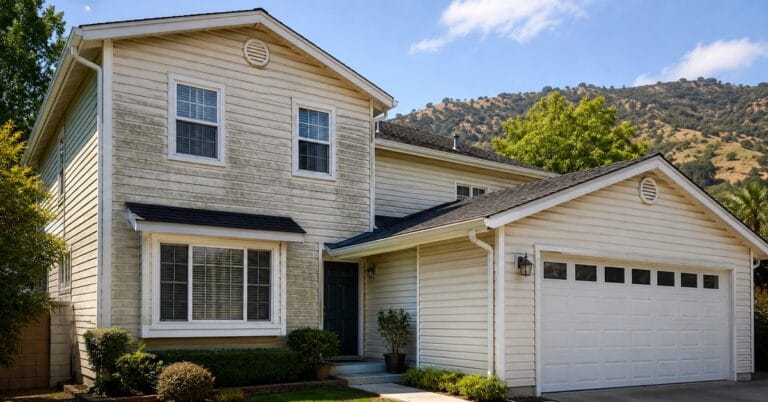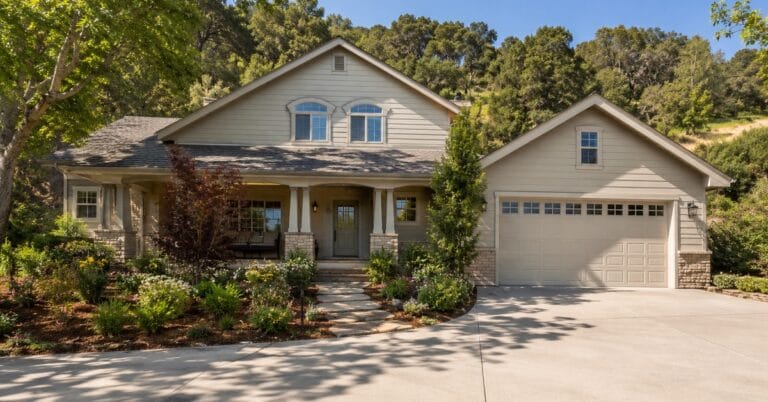
Fascia and soffit are the trim boards at the roofline that protect the structure from moisture and weather. They are the most neglected part of most home exteriors, and neglecting them leads to rot, structural damage, and expensive repairs. Inspect them every couple of years for peeling, fading, or soft spots. When paint is failing, a timely repaint stops the problem before it spreads. Rot that goes unaddressed becomes a contractor job.
Most homeowners don’t know what fascia and soffit are until something goes wrong with them. They’re out of sight, tucked up under the roofline where you don’t see them from ground level, so they get ignored until the paint starts peeling or a section rots through. By then, it’s a much bigger problem than it needed to be. In my two decades painting homes across Auburn and the foothills, I’ve seen too many people shocked to learn that a simple paint job would have saved them thousands in structural repairs.
These trim boards are the frontline defense against moisture and weather exposure at the roofline. Understanding what they are, why they matter, and when they need attention is critical to maintaining the integrity of your home’s exterior.
What Are Fascia and Soffit?
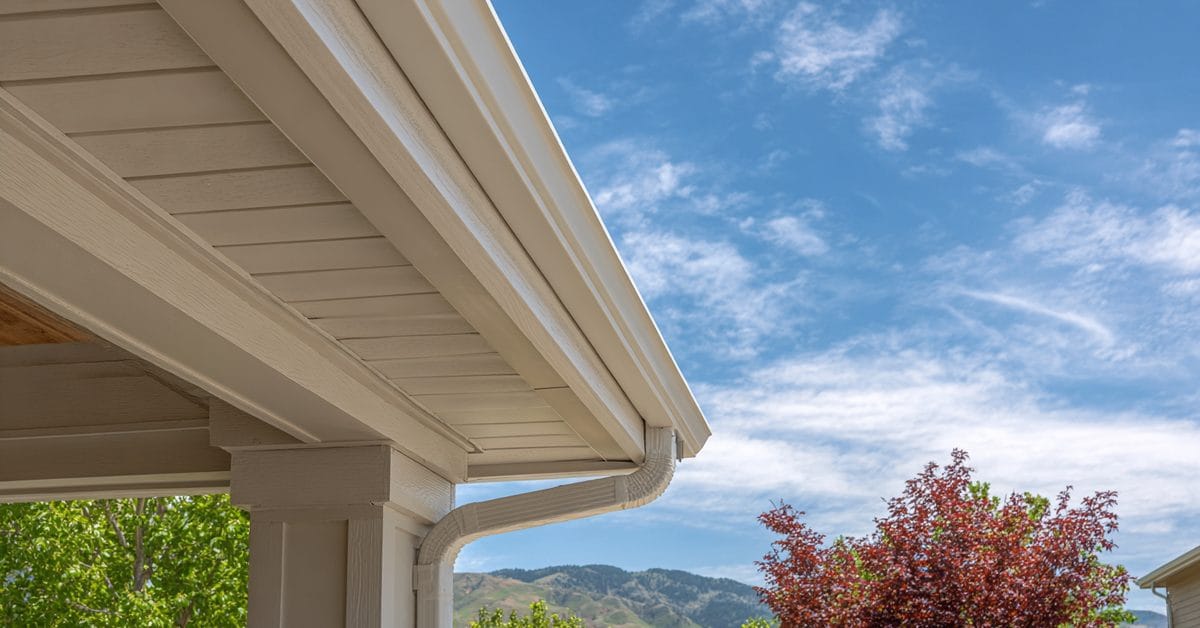
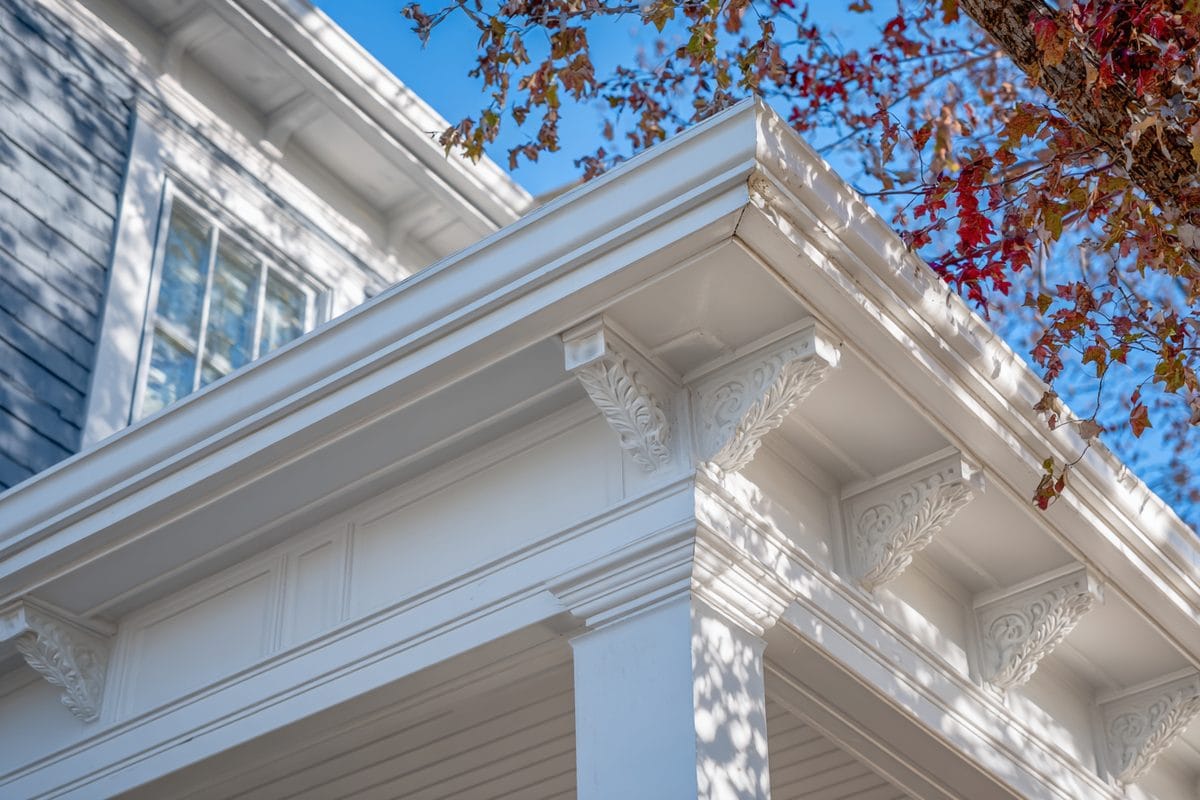
Let me start with the basics. If you look at your house from the side, look up at where the roof meets the wall. You’ll see a horizontal board running along the roofline, that’s the fascia. It’s typically 6-12 inches wide, depending on the house design. The gutters attach to this board. Below the fascia, you’ll see the underside of the roof overhang, that’s the soffit. It bridges the gap between the fascia and the exterior wall.
On some homes, the soffit is open (you can see the rafters or trusses from below). On others, it’s a closed, finished panel system. Both types serve the same purpose: they protect the wood framing at the roofline from weather, manage ventilation (soffits often have vents), and complete the aesthetic profile of the home.
The fascia is typically made of wood, composite material, or aluminum. The soffit is usually aluminum, vinyl, or wood. Both are exposed to constant weather, rain running off the roof, UV exposure, temperature swings, and moisture. This is why they fail and need repainting far more often than homeowners expect.
Why Do Fascia and Soffit Get Neglected?
The simple reason is visibility. You don’t stand in your yard looking up at the fascia every day. You’re focused on the walls, the door, the front porch, the things at eye level. The fascia and soffit are above your sight line unless you actively look for them with binoculars or climb a ladder.
If you’d like to see what professional results look like, check out my exterior painting services.
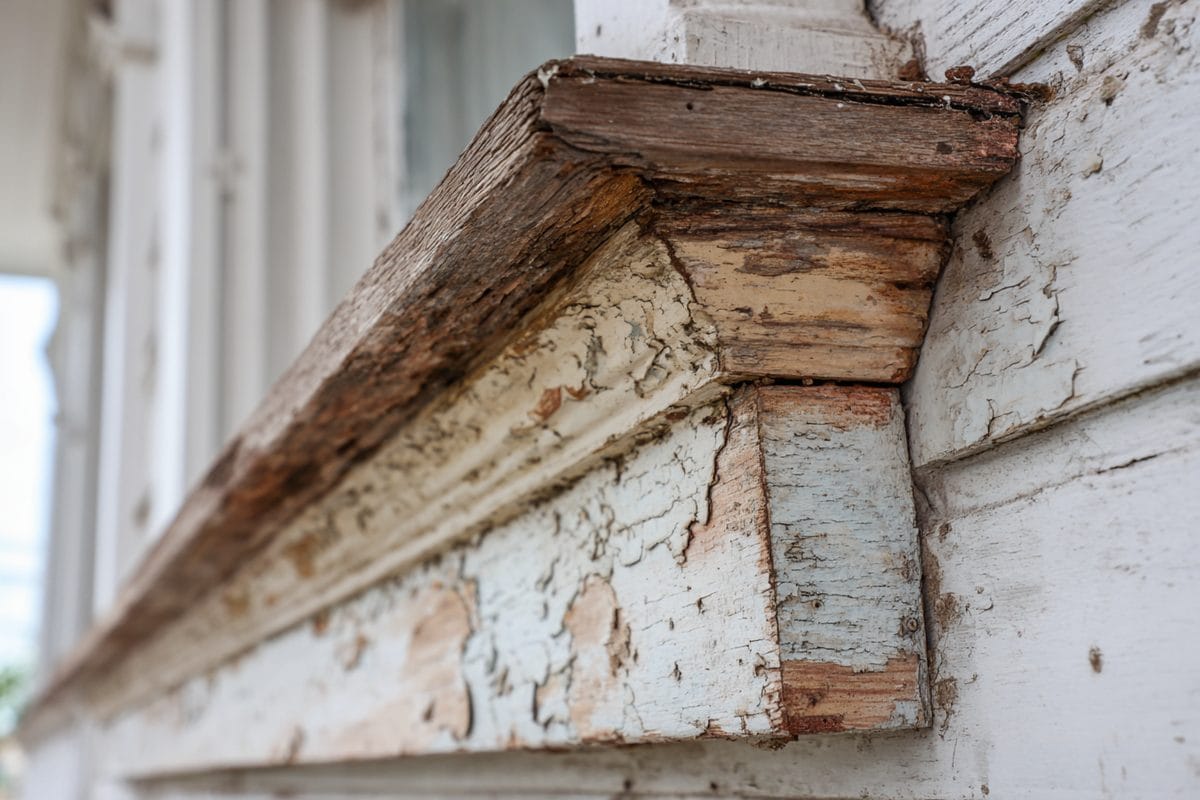
Because they’re out of sight, minor problems go unnoticed until they’re severe. Paint peels for a year or two before anyone notices. By the time a homeowner finally sees the problem, the situation has deteriorated. Wood has started to swell and soften. Rot has set in. What could have been fixed with a paint job now requires wood replacement, possibly structural repairs, and significantly more expense.
The weather exposure only makes it worse. Fascia especially gets hit hard because water running off the roof travels down it constantly. Snow and ice accumulation in winter creates moisture issues. Summer heat and UV accelerate paint failure. In the foothills, the combination of wet winters and intense dry summers puts enormous stress on these materials.
What Are the Signs Your Fascia and Soffit Need Attention?
Regular inspection is the key to catching problems early. Here’s what to look for.
Peeling or flaking paint. This is the first sign that the protective coating is failing. It means moisture is beginning to get behind the paint, or the paint has simply reached the end of its life.
Visible fading or color change. UV has degraded the paint pigment. The paint is no longer protecting the substrate as effectively.
Swelling or warping of the fascia. This indicates moisture intrusion. The wood is absorbing water and expanding. This is serious: it means the paint seal has failed and water is getting into the material itself.
Soft spots when you press on the fascia with a pole or screwdriver. Soft wood means rot has started. This requires replacement of that section, not just painting.
Visible rot, decay, or crumbling material. This is advanced failure. The structural integrity of the fascia is compromised. Replacement is necessary before new paint is applied.
Gaps or separation between fascia and the structure. This indicates movement or settling, and allows water infiltration. Caulk and paint are needed.
If you spot any of these signs, don’t delay. The same exterior paint warning signs that appear on your siding show up on fascia first, since these boards take the most weather exposure. Address minor issues with paint and caulk while they’re small. If you see soft spots or rot, get a contractor to assess whether replacement is needed.
Pro Tip
Use binoculars to inspect your fascia and soffit from the ground. Look specifically at south and west-facing exposures first, these get the most UV and are most likely to fail.
What Prep Work Is Required Before Painting Fascia and Soffit?
Proper prep is essential for long-lasting results. Don’t skip any steps here.
Clean thoroughly. Use a pressure washer at moderate pressure (1,500-2,000 PSI) to remove dirt, mildew, and chalky oxidation. Be careful around soffit vents and trim joints where water can infiltrate. Rinse well and allow drying time.
Scrape loose or peeling paint. Any paint that’s loose will fail again if you paint over it. Scrape it back to solid paint or bare wood. Use a putty knife or paint scraper, not a power tool, you don’t want to gouge the material underneath.
Sand rough areas. After scraping, sand any remaining rough spots smooth. This ensures good paint adhesion and a professional finish.
Fill gaps and cracks with caulk. Use a high-quality exterior caulk rated for wood or the material your fascia is made from. Caulk any joints, gaps where trim meets other materials, or separation between fascia and trim. This seals out water.
Prime bare wood with stain-blocking primer. If you’ve scraped back to bare wood, prime it immediately with a stain-blocking primer before the finish coat. This prevents water from wicking into the wood and prevents tannin bleed-through that can discolor the finish coat.
Check for and address rot. If you find soft spots, that wood needs to be replaced before painting. Use a putty knife to assess whether the wood is soft. If it is, that section of fascia needs replacement. This is work for a contractor, don’t try to paint over rot and hope it goes away. It won’t.
What Paint Should You Use on Fascia and Soffit?
The right paint makes a real difference in how long the job lasts. Fascia and soffit are high-exposure trim that need paint rated for durability and adhesion.
Sheen selection. Use satin or semi-gloss sheen. Flat or eggshell paint on trim is a recipe for problems: it shows every footprint, bug, and imperfection, and it’s harder to clean. Satin and semi-gloss are durable, cleanable, and appropriate for exterior trim. Semi-gloss is even more durable and can handle the weather exposure on fascia.
Paint type. For wood fascia, use premium exterior paint. Acrylic latex (100% acrylic) is excellent and easy to apply. Acrylic-urethane blends are even more durable. Oil-based alkyd paints also work well and have excellent adhesion and leveling, though they’re messier to apply and take longer to cure. For aluminum soffit, use paint rated for metal surfaces, similar to the approach used when painting aluminum siding on a full house exterior.
Specific products. Benjamin Moore Aura Exterior, Sherwin-Williams Emerald Exterior, and Behr Premium Plus all excel on trim. They’re premium products that cost more than budget paints but last longer and look better. For fascia exposed to heavy weather, don’t compromise on paint quality.
Color. Most homeowners match fascia and soffit to their trim color, typically white, off-white, or a neutral that complements the house. Some coordinate with the siding or roofline color. The key is consistency: pick a color and apply it evenly. Whatever color you choose, use quality paint so it holds that color for years.
Should You Use a Brush or Roller to Paint Fascia and Soffit?
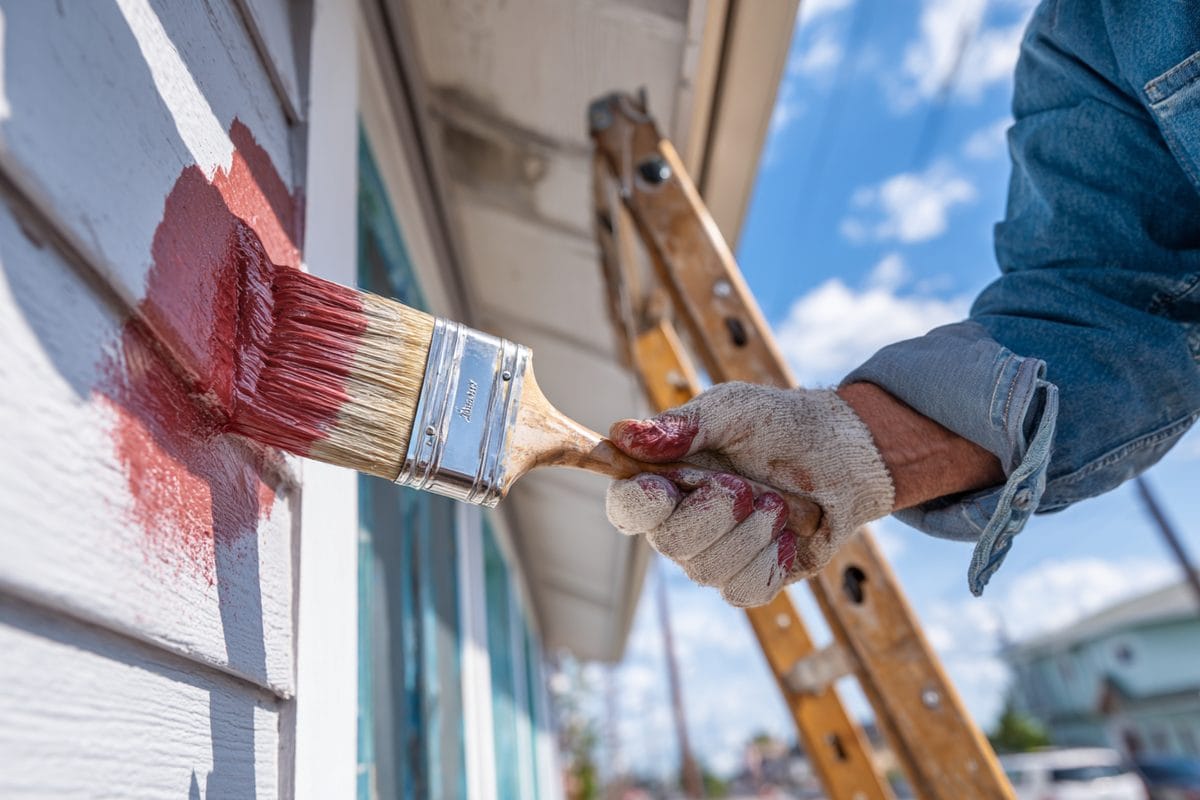
Fascia is best painted with a brush. Use a quality 2-3 inch brush, preferably an angled sash brush that lets you get into corners and edges. Start at one end and work your way along, maintaining a wet edge so you don’t lap-mark the finish.
For soffit, you can use a roller if it’s a flat, broad panel, a small foam roller (3-4 inches wide) works well. For detailed soffits with texture or vents, a brush is better. Apply paint in the direction of the panel, taking care not to apply so much that it sags or drips.
Ladder safety matters here. Work from a stable ladder, not an extension ladder overextended. Take your time. These are visible surfaces from the street, and sloppy application shows. Quality application is the difference between a professional-looking job and one that looks rushed.
How Often Should Fascia Be Painted?
In the Auburn area with our foothills climate, expect to repaint fascia and soffit every 7-10 years if you want them looking their best and protected from weather. If the first paint job was done well with quality paint, you might stretch it to 10-12 years. If it was a budget paint job, you’ll need repainting sooner, sometimes as early as 5-6 years.
The variables are the same as with house siding: south and west-facing exposures fail faster due to UV exposure. Protected, shaded fascia lasts longer. Homes in areas with better drainage and less moisture accumulation see longer intervals between painting. Homes with gutters full of debris and moisture-trapping conditions need repainting sooner.
The best approach: inspect your fascia and soffit every couple of years using binoculars. Look specifically at areas that have previously needed repair. When you see the paint starting to fail, chalking, fading, or minor peeling, schedule a paint job. Catching it early means a simple paint refresh. Ignoring it means rot, replacement, and much higher costs.
Can You Paint Over Rotten Fascia?
No. Never paint over rot, and never ignore soft spots. Rot is structural failure. Painting over it traps moisture and accelerates the decay. The rot will continue to spread underneath the new paint, and you’ll have a much bigger problem within a year or two.
If you find soft wood in your fascia, that section must be replaced before painting. Depending on the extent, this might be a small patch or an entire fascia board. This is contractor work: it requires removing gutters, cutting out the damaged section, installing new wood, flashing it properly, priming it, and painting it to match. It’s not complex, but it’s not a DIY task for most homeowners.
The cost of addressing rot early is a fraction of the cost if you let it spread. A rotted fascia that goes unaddressed can eventually compromise the structural framing of the roof overhang, the soffit, and even the wall below it. That’s a serious structural problem that costs thousands to repair.
Why Does Regular Fascia and Soffit Maintenance Matter?
Fascia and soffit may be out of sight, but they’re not out of mind for anyone who cares about their home’s longevity. Regular inspection, timely paint jobs, and addressing problems early keeps these critical trim boards protecting your home. In the foothills climate, that diligence pays off in the form of a home that stays dry, stays beautiful, and doesn’t rack up expensive structural repairs.
If you’ve noticed peeling or faded fascia and soffit on your Auburn-area home, start with pressure washing before a paint job to get them freshly painted. Or reach out from a painter who knows the foothills and understands how these materials behave in our climate.
Fascia and soffit painting is part of the full exterior scope I cover throughout Auburn and Placer County. If you need a house painter in Auburn for roofline trim, siding, or a complete exterior repaint, take a look at what I offer.
Frequently Asked Questions
How often should fascia be painted?
In the Auburn foothills, expect to repaint fascia and soffit every 7-10 years with quality paint. Budget paint may need repainting in 5-6 years. South and west-facing exposures fail sooner. Regular inspection and maintenance help you catch problems early and extend the interval between paint jobs.
Can you paint over rotten fascia?
No. Painting over rot traps moisture and accelerates decay. Rotted wood must be replaced before painting. Use a putty knife to test for soft spots. If the wood is soft, that section needs replacement by a contractor before new paint is applied.
What paint should you use on fascia and soffit?
Use premium exterior paint (Benjamin Moore Aura, Sherwin-Williams Emerald) in satin or semi-gloss sheen. Semi-gloss is slightly more durable. For wood fascia, 100% acrylic or acrylic-urethane paints work well. For aluminum soffit, use paint rated for metal surfaces. Avoid flat or eggshell, they don't hold up to weather exposure.
What causes fascia to rot?
Water infiltration is the primary cause. Gutters overflowing or leaking, failed paint allowing water behind the film, gaps and cracks that aren't caulked, and poor drainage all contribute to moisture reaching the wood. Once water gets in, rot develops. Proper caulking, quality paint, and functioning gutters prevent rot.
Does painted soffit require different paint than fascia?
If both are wood, use the same paint. If soffit is aluminum or vinyl, use paint rated for that material. For consistency, most homeowners paint both fascia and soffit the same color with the same paint type. Check your soffit material and match paint selection accordingly.
How much does it cost to paint fascia and soffit?
Fascia and soffit painting typically costs $500-$1,500 for an average single-story home, depending on how much linear footage needs painting, condition, and prep required. If rot repair is needed, add $200-$500+ per rotted section for wood replacement. Get quotes from local contractors that include prep, priming bare spots, and two finish coats.