Yes, you can paint vinyl siding, but there is one rule you cannot break: never paint it a darker color than the original. Darker pigments absorb more heat, causing vinyl to expand beyond its design limits and warp. Use paint rated for vinyl or a vinyl-bonding primer, clean the surface thoroughly before painting, and stick to the same color or lighter. Done right, painted vinyl siding lasts 8 to 10 years.
There’s a critical limitation that most homeowners don’t know about before they start this project. I’ve had many people call me wanting to paint their light-colored vinyl siding dark charcoal or black, thinking it’s a simple upgrade. I have to tell them no, and explain why. Understanding this limitation is the difference between a paint job that lasts and one that warps your siding within a few months.
Vinyl is different from wood, fiber cement, or metal. It expands and contracts significantly with temperature changes. When you paint it a darker color, the darker pigment absorbs more heat from the sun, which causes the vinyl to expand more than it’s designed to. That excess expansion creates stress on the panels, and they start to warp and buckle. It’s not a cosmetic problem, warped siding compromises the integrity of your home’s exterior envelope. In my twenty years painting homes around Auburn and the foothills, I’ve seen too many well-intentioned homeowners end up with a vinyl siding problem they didn’t expect.
Here’s what you need to know about painting vinyl, including when it’s absolutely the right choice, and when you need to think twice.
What Is the Color Limitation Rule for Vinyl Siding?
This is the golden rule with vinyl siding: you can only paint it the same color or a lighter color than the original. Never darker.
If your vinyl siding started life beige, painting it white or a very light gray is fine. You’re reducing or maintaining the heat absorption, so the vinyl won’t expand excessively. But if you try to go from beige to dark charcoal, dark gray, navy, or black, you’re asking for trouble. The darker color absorbs more solar radiation, heats the vinyl to temperatures it wasn’t designed to handle, and forces it to expand beyond its limits.
Here’s the physics: vinyl has a lower melting point than we often realize. When dark paint heats the surface to 140-160°F on a hot day (common in Auburn and the foothills during summer), the vinyl becomes more plastic and prone to deformation. Panels buckle, wave, and sometimes permanently warp. Once that happens, you’re looking at siding replacement, not just a paint correction.
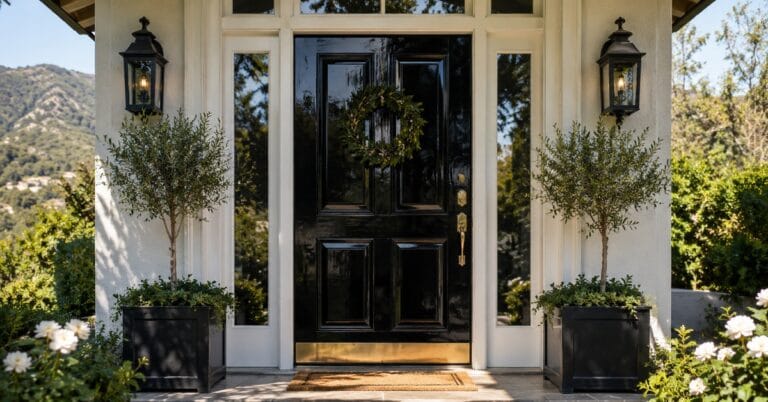
If you love the look of dark trim or a dark accent color, paint your trim, shutters, front door, or garage door dark, but keep the siding itself light or at least not significantly darker than the original color.
Why Does Vinyl Siding Fade?
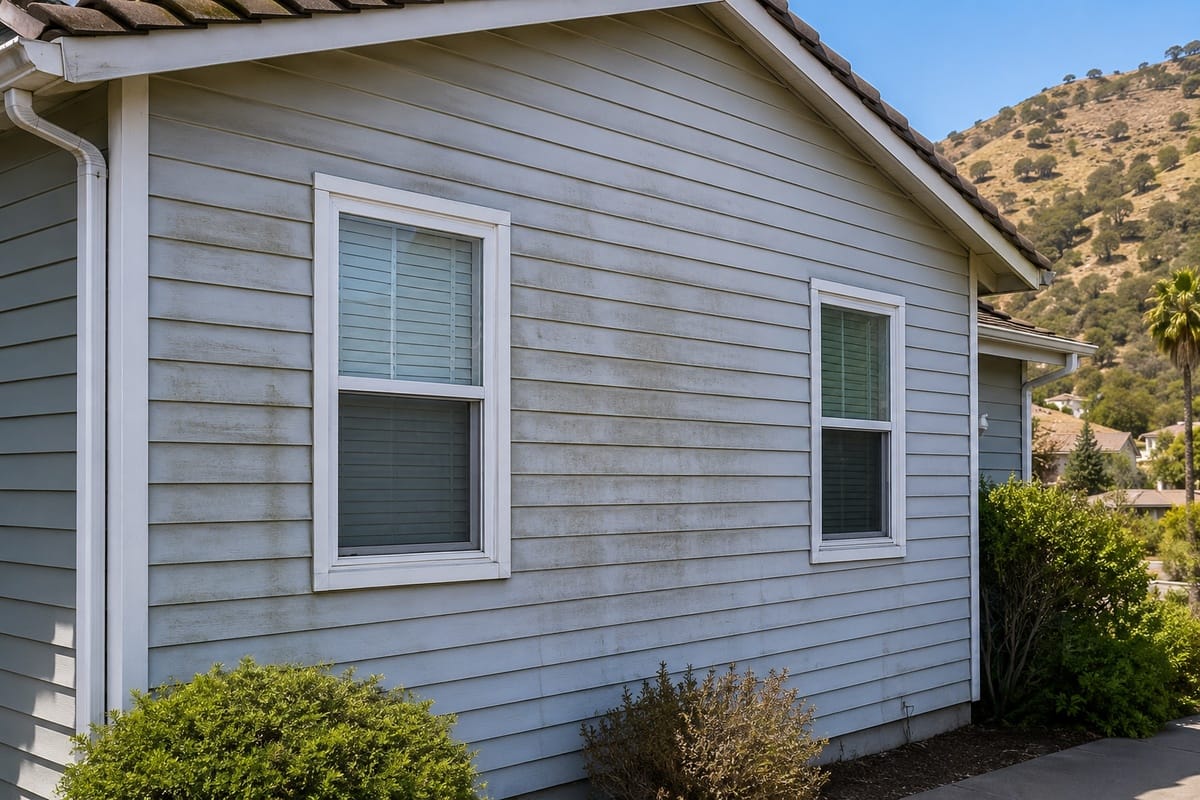
Vinyl fades because UV radiation breaks down the pigment. This happens to all exterior colors, but it’s especially noticeable on darker shades. A beige vinyl might fade subtly over 8-10 years, but a darker color can look noticeably washed out in 5-7 years, particularly on south and west-facing exposures.
If you’d like to see what professional results look like, check out my exterior painting services.
The foothills climate accelerates this. We get intense sun exposure, dry air, and temperature swings that stress paint and siding alike. UV doesn’t discriminate, it attacks the color molecules relentlessly. Quality exterior paint resists this better than budget paint, but even premium paint will fade over time on vinyl.
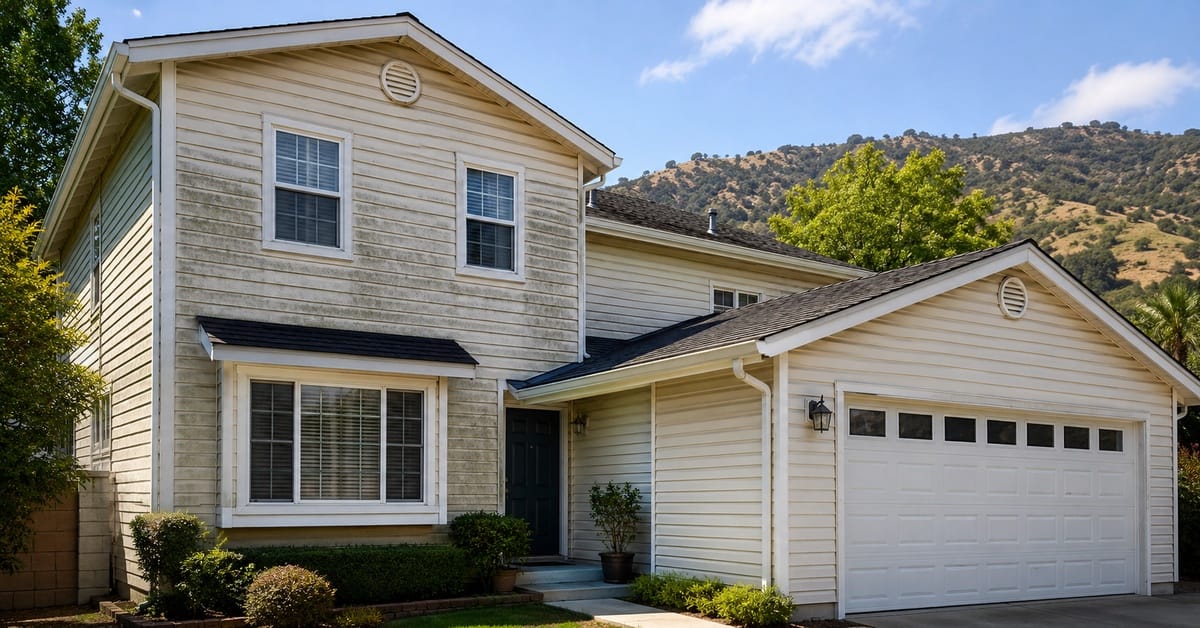
Many homeowners notice their vinyl looking dull or grayed out and assume it’s dirty. Sometimes it is, vinyl collects mildew, algae, and chalky oxidation that makes it look worse than it actually is. That’s actually good news, because cleaning is cheaper than repainting. But after cleaning, if the color has genuinely shifted and faded, repainting is the fix.
How Do You Clean Vinyl Siding Before Painting?
Vinyl siding collects grime, and you can’t just slap new paint over dirt and expect it to stick. Proper cleaning is essential for adhesion.
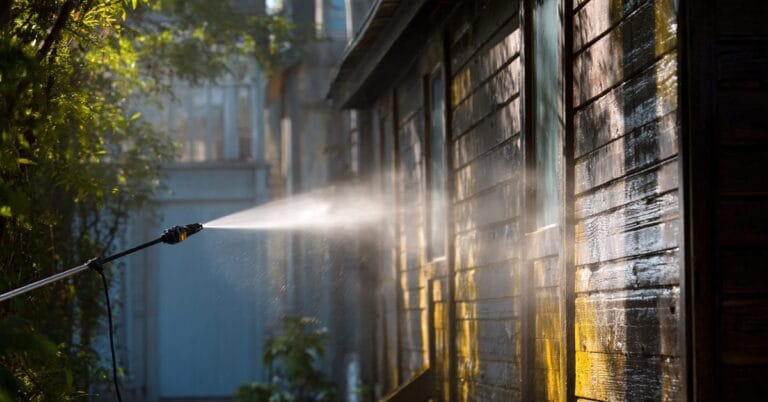
Proper pressure washing before a paint job is essential on vinyl. Start with a pressure washer, but be gentler than you’d be with wood. Use 1,500-2,000 PSI maximum. Too much pressure forces water behind the siding or damages the surface. A 25-degree nozzle works well for vinyl; keep it moving and maintain 12-18 inches of distance.
For heavy mildew or algae, add a TSP (trisodium phosphate) solution or a mildewcide solution to the wash. Let it sit for a few minutes before rinsing. This softens the growth and makes it easier to remove without excessive pressure.
After pressure washing, rinse thoroughly with clean water and allow at least 48 hours of dry time before painting. Moisture trapped behind the paint will cause adhesion failure and peeling.
Pro Tip
Don’t use a stiff brush on vinyl, it can scratch the surface and create dull spots that show through paint. Pressure washing combined with a cleaning solution is the right approach.
What Primer and Paint Should You Use on Vinyl Siding?
Not all paint bonds to vinyl. You need paint that’s specifically formulated to stick to the slick vinyl surface, or you need to use a vinyl-bonding primer first.
Two approaches: Some paints are labeled “vinyl-safe” or “bonds to vinyl” and can be applied directly with good adhesion. Benjamin Moore Exterior, Sherwin-Williams ProClassic Exterior, and Behr Premium Plus all make paints rated for vinyl. These are 100% acrylic or acrylic-urethane blends that flex with the vinyl’s movement and adhere reliably.
Alternatively, use a vinyl-specific primer first. A quality primer rated for vinyl prepares the surface and creates a bond layer that the finish paint clings to. This is especially helpful if you’re unsure about paint adhesion or if you’re covering a very glossy original finish.
Avoid latex paints labeled only for wood or masonry, they won’t adhere well to vinyl. And avoid oil-based paints, which don’t flex with vinyl’s movement and will peel as the siding expands and contracts.
Should You Use a Roller, Brush, or Spray to Paint Vinyl Siding?
How you apply the paint matters for vinyl. The material is nonporous and slick, so technique affects the final look and durability.
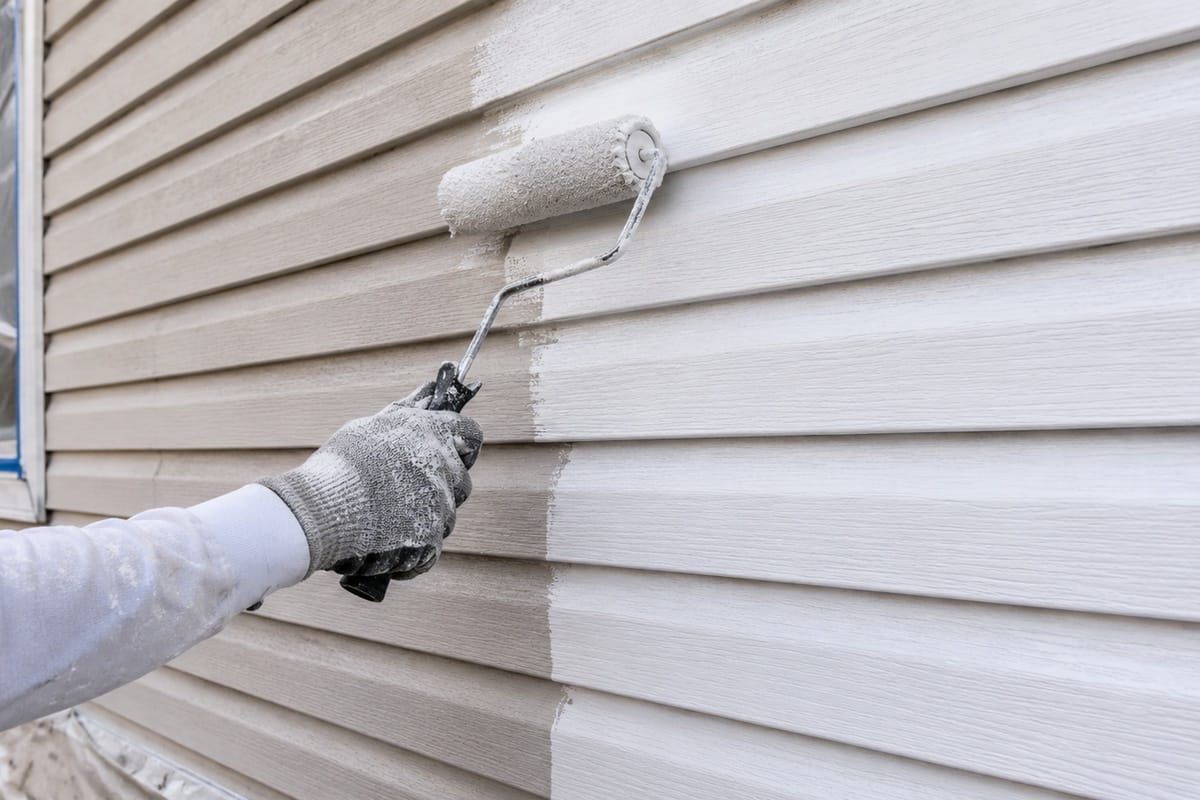
Roller. A foam roller works best for broad flat siding panels. It lays down even coverage without leaving bristle marks like a brush can. Use a 3/8-inch to 1/2-inch nap for smooth siding. Work in manageable sections, maintaining a wet edge so you don’t lap-mark the paint.
Brush. Use a high-quality brush for trim, corners, and detailed areas where a roller won’t reach. A nylon or nylon-polyester blend works better on vinyl than natural bristle, which absorbs water and splays out.
Airless Sprayer. Professional spray application gives the smoothest finish and best coverage on vinyl. It’s faster than rolling, but requires equipment, technique, and overspray management. Unless you have spray experience, hire a pro for this.
Avoid cheap brushes and rollers on vinyl. Bristles that shed will be embedded in the finish, and rough application shows every imperfection on the slick surface. Spend a little more on quality tools, you’ll see the difference in the final result.
How Long Does Painted Vinyl Siding Last?
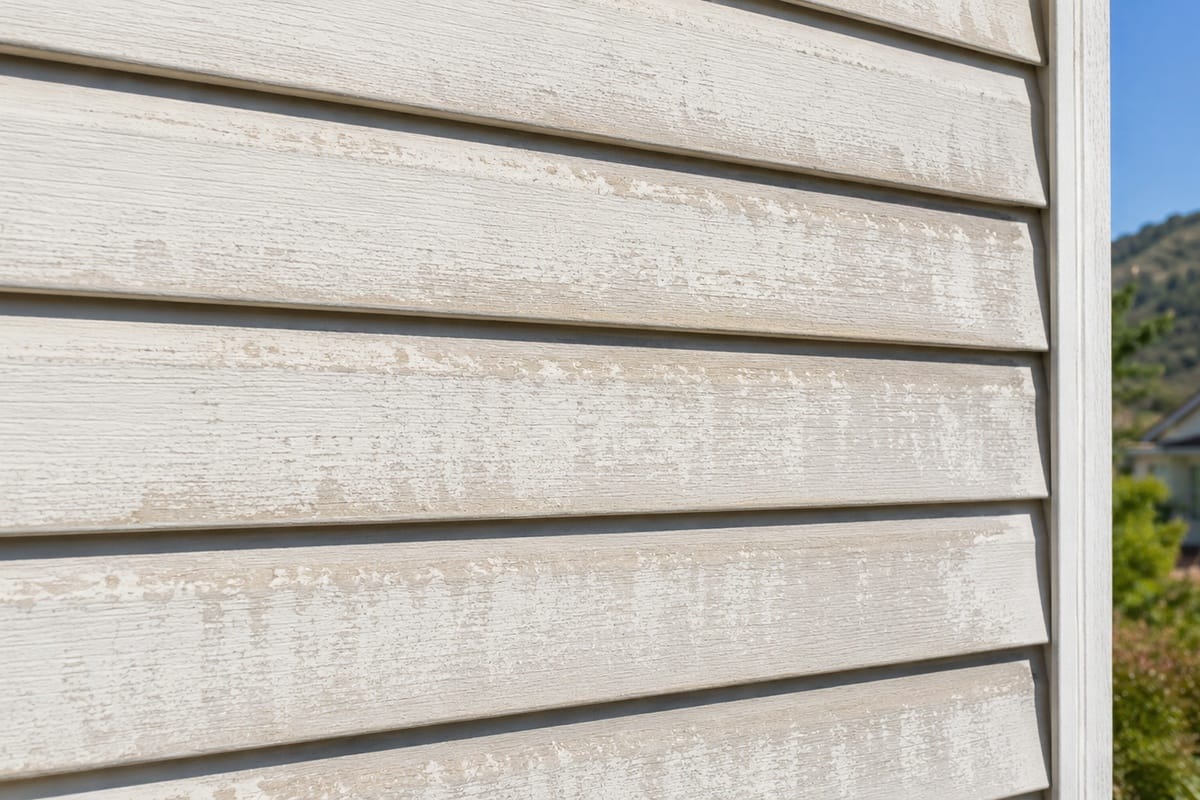
Quality paint applied to properly prepped vinyl siding typically lasts 8-10 years, sometimes a bit longer in shaded areas. This is comparable to painting wood siding, though vinyl has some advantages, it doesn’t rot or suffer from moisture damage the way wood does, so the paint failure mode is purely cosmetic and adhesion-related, not structural.
The variables: darker colors fade faster than light colors. South and west-facing exposures get hit harder by UV and heat. Low-quality paint fails sooner than premium paint. Homes in direct sun with no shade will see paint fade and lose adhesion faster than homes with tree cover.
In the foothills climate, I recommend expecting 8 years as a baseline with good paint, and possibly 10-12 years with premium paint and a north-facing exposure. After 8-10 years, you’ll likely notice fading or some minor adhesion issues, especially on the sun-exposed sides of the house.
When Should You Paint Vinyl Siding vs. Replace It?
Painting vinyl makes sense if the siding is structurally sound, not warped, and you like the existing style and color range. If your vinyl is showing the signs it’s time to repaint, painting brings it back to life at a fraction of the cost of replacement.
But if the vinyl is already warped from previous painting errors, cracked, or if replacement panels are no longer available (older homes sometimes have discontinued vinyl profiles), replacement might be the better choice. Also, if you’re drawn to a significantly darker color, replacing the siding with a darker vinyl product is smarter than trying to paint it.
In Auburn and the surrounding foothills, vinyl siding is popular because it’s durable, low-maintenance, and handles our climate well. If you take care of it, cleaning it every few years, repainting every 8-10 years with quality paint, it will serve your home reliably for 20+ years or more.
How Does Painting Vinyl Siding Compare to Other Siding Materials?
Vinyl is not your only option, and understanding how it compares to other materials helps you make the right choice. Wood siding can be painted any color, but it rots if moisture gets behind the paint and requires more frequent repainting (5-7 years in our climate). Fiber cement board is also paintable in any color and extremely durable, but it’s heavy and expensive to install. Metal siding like aluminum is tough and can handle dark colors, but it dents easily and shows every mark. For details on that process, see my guide on painting aluminum siding.
Vinyl’s advantage is simplicity: it won’t rot, it won’t dent, and with the color limitation in mind, it’s reliable and cost-effective. If you have vinyl and it’s faded, painting it is the smart, economical choice. If you’re building new or replacing, understand your options and choose based on budget, durability, and the aesthetic you want.
How Do You Get Vinyl Siding Painting Done Right?
Painting vinyl siding is straightforward if you follow the rules. Clean thoroughly, use vinyl-bonding paint or primer, stick to light or original colors, and apply with quality tools and technique. The result is a refreshed, clean exterior that protects your home and improves curb appeal.
If you’re not comfortable handling a project this size or if you want professional-grade results, reach out from a local Auburn painter who understands the foothills climate and the specific demands of vinyl.
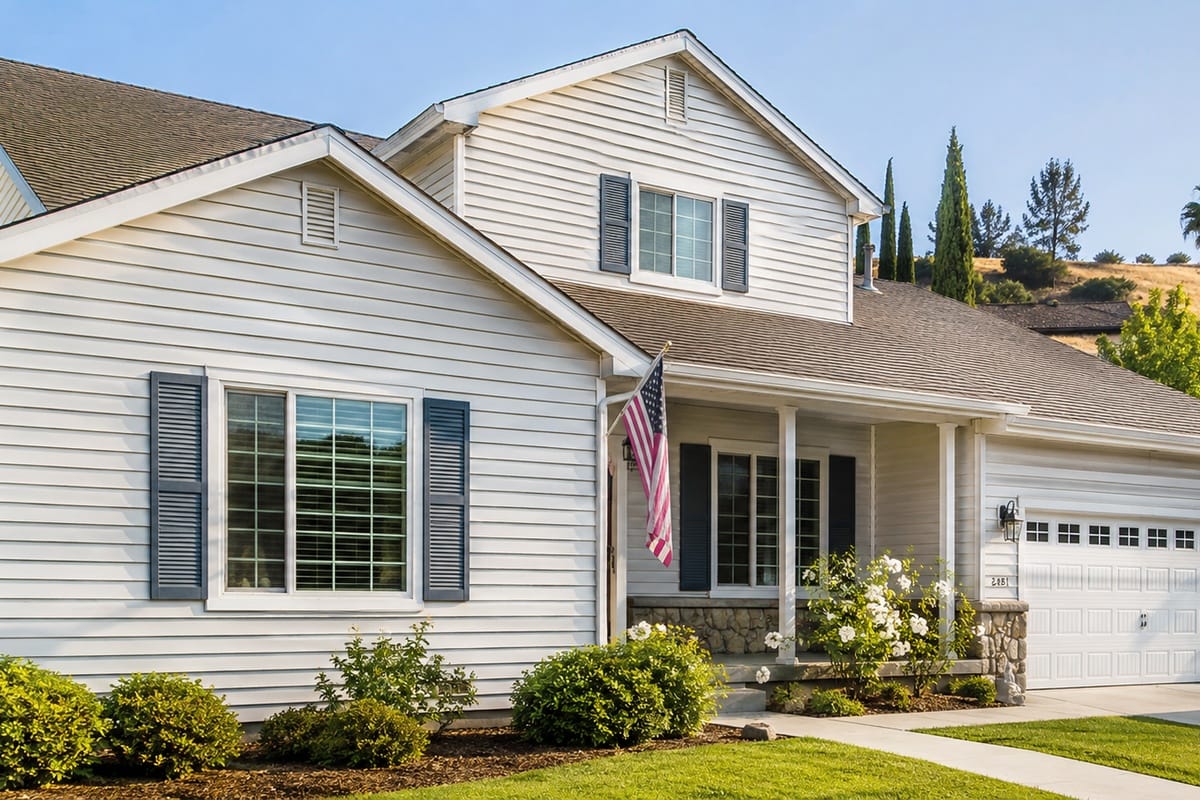
Vinyl siding painting is one of the exterior services I offer throughout Auburn and Placer County. If you need a residential painter in Auburn for any exterior project, I cover it all.
Frequently Asked Questions
Can you paint vinyl siding a darker color?
No. Darker colors absorb more heat from the sun, which causes vinyl to expand beyond its design limits and warp. You can only paint vinyl the same color or lighter. Going from beige to white or light gray is fine; going to dark charcoal or black will likely cause warping.
What paint adheres best to vinyl siding?
Use paint specifically labeled as "vinyl-safe" or "bonds to vinyl," or use a vinyl-bonding primer before standard exterior paint. Premium 100% acrylic or acrylic-urethane paints designed for vinyl work best. Avoid oil-based paints, which don't flex with vinyl's movement and will peel.
Does painting vinyl siding void the warranty?
Most vinyl siding warranties do allow painting as long as you follow specific guidelines, use approved paint, don't paint darker than the original, and follow prep requirements. Check your siding warranty documentation, or contact the manufacturer. Professional application by a reputable painter can help protect your warranty.
How do you prep vinyl siding for painting?
Pressure wash at 1,500-2,000 PSI to remove dirt, mildew, and chalk. Use TSP or mildewcide solution for heavy growth. Rinse thoroughly and allow 48 hours of dry time. Caulk any gaps or joints. Don't sand vinyl, as it can create dull spots that show through paint.
How long does painted vinyl siding last?
Quality paint on properly prepped vinyl typically lasts 8-10 years, sometimes longer in shaded areas. Premium paint can extend life to 12 years. UV exposure, darker colors, and climate (hot, dry foothills summers accelerate fading) all affect longevity.
Is painting vinyl siding worth it vs. replacement?
Painting is worth it if the siding is structurally sound and not warped. It costs a fraction of replacement and refreshes the appearance significantly. Replacement makes more sense if the vinyl is already damaged, warped, or if you need a significantly darker color.