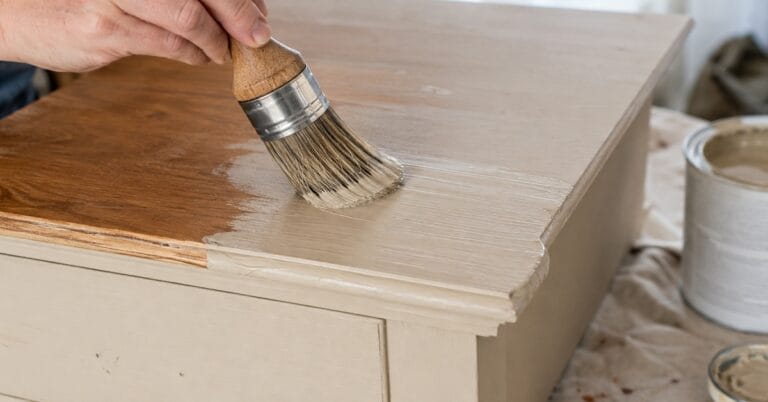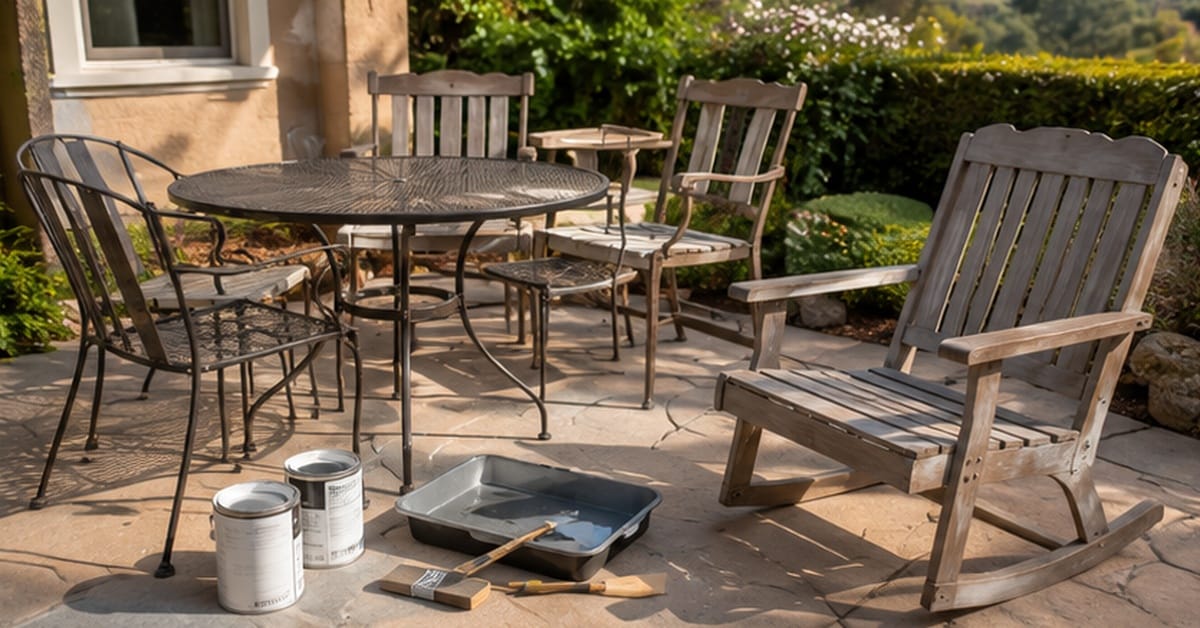
To paint outdoor furniture, clean the surface, apply a material-specific primer, and use exterior-grade paint only. Indoor paint fails outdoors within one season. Match your primer and paint to the material: rust-inhibiting primer for metal, exterior wood primer for wood, and plastic bonding primer for resin or plastic pieces.
Painted outdoor furniture fails because people use indoor paint, indoor techniques, and indoor expectations. Outdoor furniture lives in UV, moisture, temperature swings, and salt air (if you’re near a coast). These conditions destroy paint that wasn’t designed for them. The difference between furniture that looks fresh for five years and furniture that peels and fails in one season isn’t luck, it’s using the right paint, prepping correctly for the material, and accepting that outdoor furniture needs periodic maintenance. I’ve painted hundreds of decks, fences, and outdoor pieces throughout the Placer County foothills as a residential painter in Auburn, and the technique matters as much as the product.
Most outdoor furniture failures I see come from one of three mistakes: using regular indoor paint because it’s what they had on hand, skipping surface prep because “it’s just furniture,” or choosing the wrong paint type for the material. If you’re planning to refresh patio furniture, outdoor chairs, or built-in benches, the right approach will add years to the life of your pieces.
How Do You Prep Outdoor Furniture Before Painting?
Different materials need different prep. Painting metal furniture, wood furniture, and plastic furniture all look similar at the end, but the work underneath is completely different.
Wood furniture needs cleaning, sanding, and inspection for rot. Wash it with a stiff brush and soap and water, then let it dry completely. Look for soft spots or discoloration, these are signs of water damage or rot. If you find rot, sand it out or replace the piece. Sand the entire surface with 120-grit sandpaper to remove old finishes and create a rough surface for paint adhesion. Pay extra attention to areas where water pools or collects, these get damaged fastest. After sanding, vacuum the dust and wipe with a damp cloth to remove remaining dust.
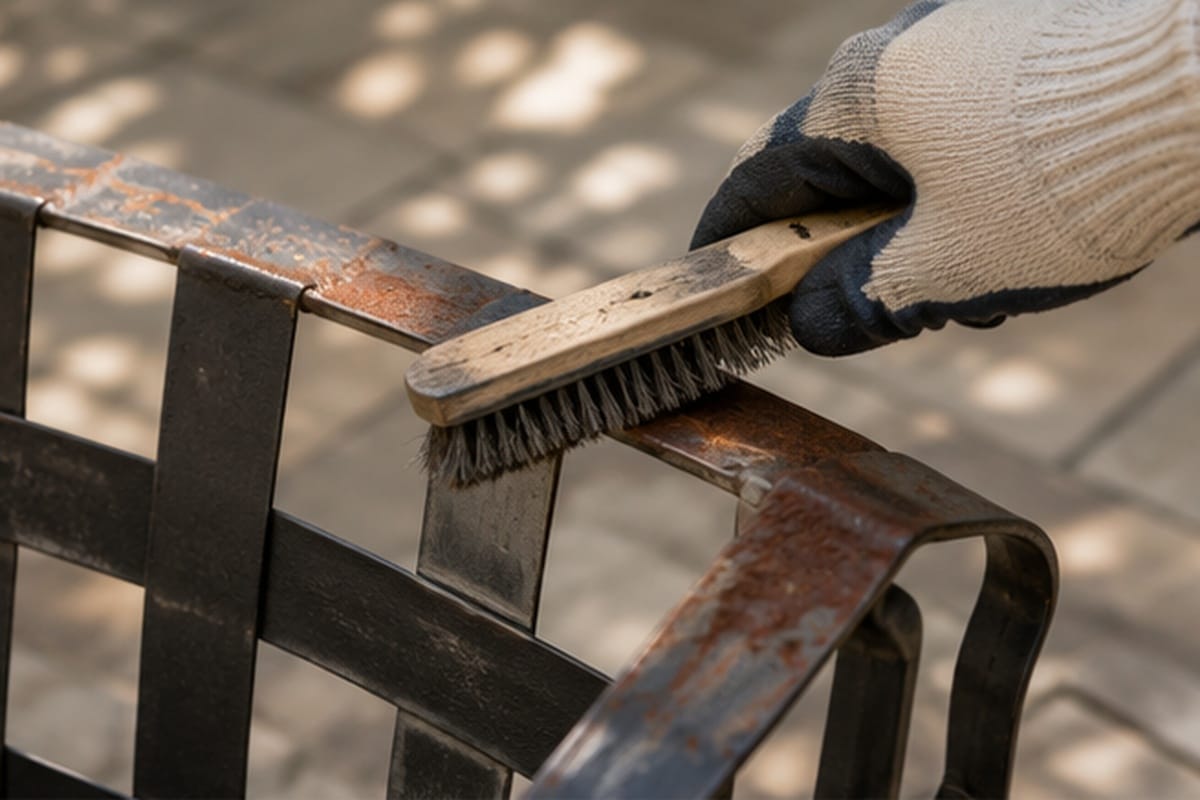
Metal furniture (wrought iron, aluminum, steel) needs rust assessment and degreasing. Check for existing rust. Surface rust is light orange-brown discoloration; structural rust is deep pitting or flaking. Surface rust can be sanded or scrubbed off. Deep structural rust might mean the furniture is too damaged. For light rust, use a wire brush or steel wool to clean it down to bare metal. For heavier rust, a wire wheel on a drill works fast. Once rust is removed, degrease the entire surface with a degreasing cleaner (TSP works) to remove oil, dust, and oxidation. Dry thoroughly before painting.
Plastic and resin furniture needs gentle cleaning and scuffing, not sanding. These materials are softer than wood and metal. Wash with soap and water and a soft brush. Once dry, use 220-grit sandpaper very lightly to scuff the surface so paint adheres. Don’t use aggressive sanding methods; you’ll create gouges that look terrible. The goal is to dull the shiny surface, not to rough it up.
Which Primer Should You Use on Outdoor Furniture?
Primer is non-negotiable for outdoor furniture, and the type matters.
If you want professional results, take a look at my specialty painting services.
For metal furniture: Use a rust-inhibiting primer. This is specifically formulated to prevent rust from forming under the paint. If you’ve sanded off rust, a rust-inhibiting primer stops it from coming back. Rust-Oleum and Krylon make good ones, and they’re available in spray or brush-on. Oil-based primers are tougher for metal, but water-based rust-inhibiting primers work too. Two thin coats of primer are better than one thick coat.
For wood furniture: Use an exterior wood primer. This seals the wood grain and creates a stable surface for topcoat. Wood primes are designed to handle wood movement (expansion and contraction with moisture and temperature changes) better than universal primers. Kilz and Zinsser make good exterior wood primers.
For plastic and resin: Use a bonding primer designed for plastic. Regular primers don’t stick well to plastic. Plastic bonding primers (like Rust-Oleum Plastic Primer or Krylon Fusion) chemically bond to plastic so paint adheres properly. This is critical, skip the bonding primer and paint peels immediately.
Let primer dry completely per the can instructions (usually 24 hours) before applying paint.
What Type of Paint Should You Use on Outdoor Furniture?
This is the most important step and the most commonly skipped. Indoor paint will fail outdoors. It’s designed for controlled temperature and humidity, not sun and weather. Use only exterior-grade paint.
For wood furniture: 100% acrylic latex exterior paint is ideal. It flexes with wood movement, resists UV fading, and cleans up with water. Oil-based exterior paint is tougher but yellows over time and cleans up with solvents. For best results, use two coats of quality exterior paint (this is not the place to cheap out). Sherwin-Williams, Benjamin Moore, and Behr all make excellent exterior paints. Budget paint fails faster in harsh sun.
For metal furniture: Exterior-grade paint works, but spray paint designed for metal is faster and delivers better coverage on irregular shapes. Rust-Oleum and Krylon outdoor spray paints are formulated for metal and resist UV and moisture well. Brush-on exterior paint works too but takes longer on ornate furniture. If you brush-apply, thin coats are better than thick coats.
For wrought iron: Oil-based exterior paint is traditional and tough. If you want the look and durability of wrought iron finishes, oil-based paint is worth the extra care. Water-based exterior paint works too and dries faster, but oil-based has a reputation for longevity on ornate metal pieces. Apply thin coats and let cure time per the can before use.
For plastic and resin: Exterior-grade acrylic latex works, but paint formulated specifically for plastic (like Rust-Oleum Universal or Krylon Fusion) adheres better. These paints are thinner and flow better on plastic, and they create tougher finishes. Multiple thin coats are essential.
Never use interior paint outdoors. It won’t last through one season. Chalk paint falls into this category too. It’s water-based and not designed for UV or weather. If you’re curious about where chalk paint does work, see my guide to chalk paint on furniture for the right use cases.
Should You Use a Brush or Spray Paint on Outdoor Furniture?
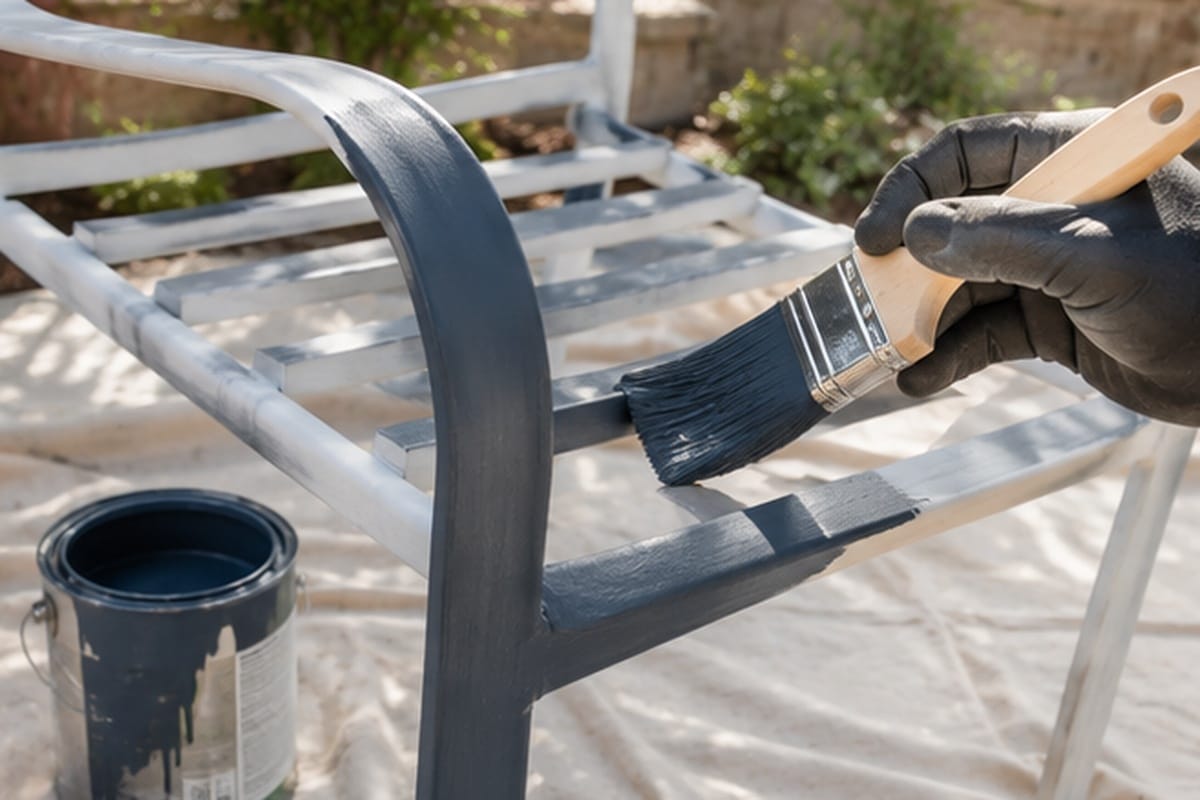
For simple shapes (like wood benches or slats), a brush works fine and gives good control. For ornate metal furniture with lots of crevices and curves, spray paint is faster and more efficient.
Brush application: Use a quality brush (natural bristle for oil-based, synthetic for water-based). Apply thin coats rather than one thick coat. Thick coats are prone to drips, sags, and uneven drying. Two coats of thin paint are better than one coat of thick paint. Between coats, let the paint cure (check the can, usually 4-8 hours for water-based, longer for oil-based). Sand lightly between coats with 220-grit sandpaper to smooth brush marks and improve adhesion for the next coat.
Spray application: Use proper spray technique: light overlapping passes, not one heavy coat. Hold the can 8-10 inches from the surface, at a consistent distance. Make smooth passes from side to side, overlapping each pass slightly. This prevents drips and creates even coverage. Ventilation is important, spray outdoors or in a well-ventilated area. Multiple light coats are always better than one heavy coat. Let dry between coats per the can directions.
For either method, protect areas you don’t want painted. Mask with tape or just keep the paint off. The difference between professional-looking outdoor furniture and sloppy-looking pieces is usually attention to detail during application.
Does Painted Outdoor Furniture Need a Topcoat or Sealant?
For maximum durability, consider a clear topcoat or sealant after the paint dries.
For wood furniture: An exterior-grade clear topcoat (water-based polyurethane or spar urethane) adds UV protection and water resistance. This extends the life of the finish by years. Apply one or two thin coats after paint is fully cured. Spar urethane is traditional for outdoor wood and slightly more flexible than regular poly.
For metal furniture: A clear topcoat is optional but adds extra UV protection. If you’ve spent the time prepping and painting, a clear poly topcoat is worth it for a couple more years of protection.
For plastic furniture: Most plastic paints don’t need topcoat if they’re formulated outdoor paint-for-plastic. Check the can to see if topcoat is recommended. Usually it’s not necessary.
Let paint cure fully, check the can, usually 24-48 hours, before using the furniture. Curing is different from drying. The surface might be dry in a few hours, but the paint needs days to fully harden before it can handle use, moisture, and sunlight without damage.
How Do You Maintain Painted Outdoor Furniture?
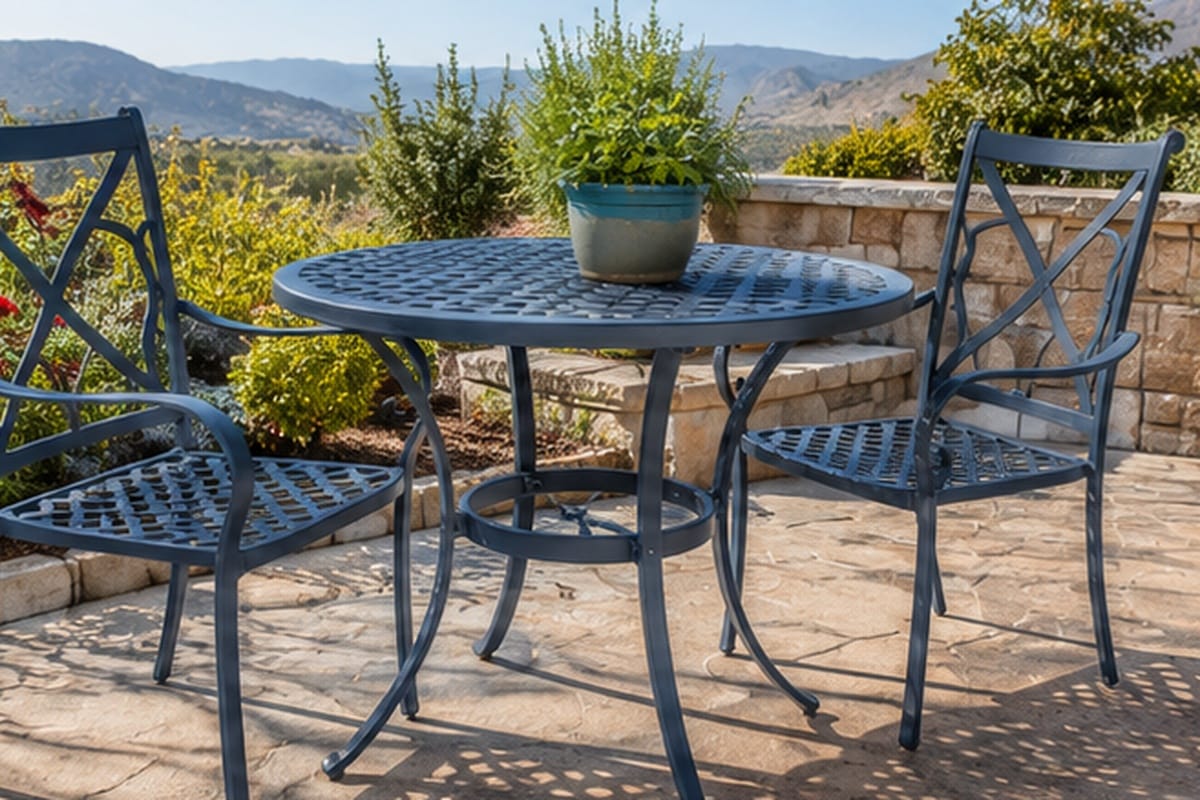
Painted outdoor furniture isn’t set-and-forget. The sun and weather work on paint constantly. Expecting five years of zero maintenance is unrealistic. Expecting five years with annual maintenance is reasonable.
Every year or two, depending on sun exposure and weather, inspect your furniture for fading, chalking (white powder rubbing off), or peeling. Clean it with gentle soap and water. If the paint is just faded, fresh cleaning and maybe a coat of clear topcoat can refresh it. If there’s peeling or chalking, you’re probably looking at another full paint job.
In harsh conditions, strong UV, salt air, extreme temperature swings, you might need to repaint every 3-4 years. In milder climates with dappled shade, 5-7 years is more typical. This is just the nature of outdoor furniture. Plan for it.
When Should You Repaint vs. Replace Outdoor Furniture?
If your furniture is structurally sound and you like the shape and design, repainting is worth it. If the wood is rotting, metal is deeply rusted, or plastic is cracking, replacement might be more cost-effective than repair. Inspect carefully before committing to prep and paint.
For high-quality pieces (teak or wrought iron that’s been in your family for years), repainting is definitely the right call. For budget outdoor furniture that’s starting to fail, replacement might be simpler.
If you have extensive outdoor furniture or a major project, like painting a whole set of chairs, a bench, and built-in outdoor storage, contact me for professional refinishing. The investment upfront often extends the life of the furniture significantly.
For larger outdoor projects or a full set that needs professional prep and painting, I’m a residential painter in Auburn. Get in touch and I’ll give you an honest assessment of the work involved.
Frequently Asked Questions
What paint should I use on metal outdoor furniture?
Exterior-grade paint is essential. For ornate or heavily detailed metal pieces, spray paint formulated for metal (like Rust-Oleum or Krylon outdoor spray) is fastest and covers irregular shapes well. For simpler pieces, exterior acrylic latex paint applied with a brush works. Always use a rust-inhibiting primer first. Oil-based paint on wrought iron is traditional and very durable but requires longer drying times.
Can you use chalk paint on outdoor furniture?
No. Chalk paint is water-based and not formulated for outdoor UV exposure or moisture. It will fade, soften, and fail in just one season. Always use exterior-grade paint for outdoor furniture. For decorative indoor pieces, chalk paint can work. See my chalk paint on furniture guide for the full breakdown. Outdoors, stick with exterior paint designed for weather and sun.
Do you need to prime outdoor furniture before painting?
Yes, always. Primer is essential outdoors because it prevents rust on metal, seals wood grain properly, and helps paint bond to plastic and other materials. Use material-specific primers: rust-inhibiting primer for metal, exterior wood primer for wood, and bonding primer for plastic. Primer adds durability that justifies the extra step.
How often do you need to repaint outdoor furniture?
It depends on sun exposure and climate. In areas with strong UV and harsh weather, every 3-4 years. In milder areas with some shade, every 5-7 years. Check annually for fading, chalking, or peeling. Clean it gently and refresh with clear topcoat if the paint is just faded. If you see peeling, it's time to repaint.
What's the best way to paint plastic patio chairs?
Clean them with soap and water, let them dry completely, then scuff lightly with 220-grit sandpaper (don't sand aggressively, plastic is soft). Apply a plastic bonding primer, then two coats of exterior-grade paint formulated for plastic. Spray paint designed for plastic works well, or use brush-on exterior paint. Thin coats are better than thick coats. Let cure fully (24-48 hours) before use.
How do you make paint stick to resin furniture?
Resin is slick and requires bonding primer specifically formulated for plastic/resin. Regular primer won't stick well. Scuff the surface lightly with 220-grit sandpaper to dull the shine, clean with soap and water, apply plastic bonding primer, then two coats of exterior paint. The bonding primer is the critical step, skip it and the paint will peel.
Have a furniture project or outdoor set that needs professional attention? Get in touch and we’ll figure out the best approach.