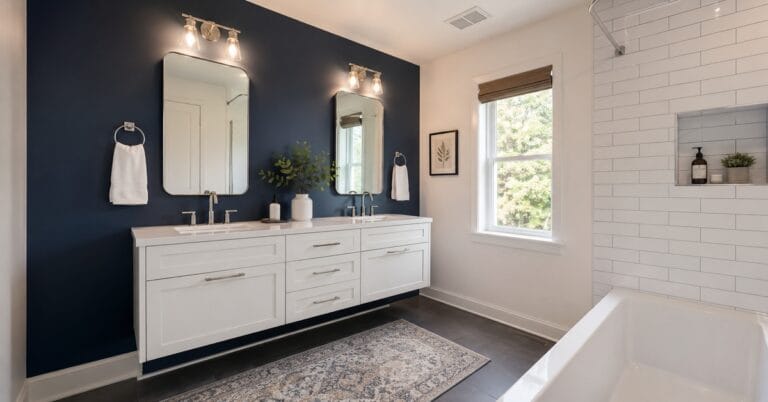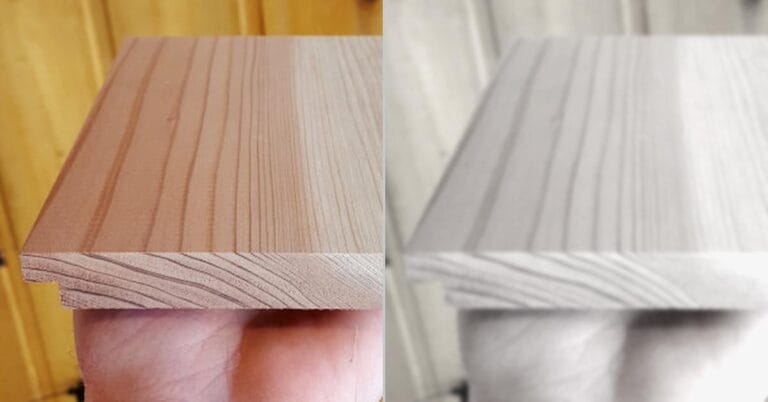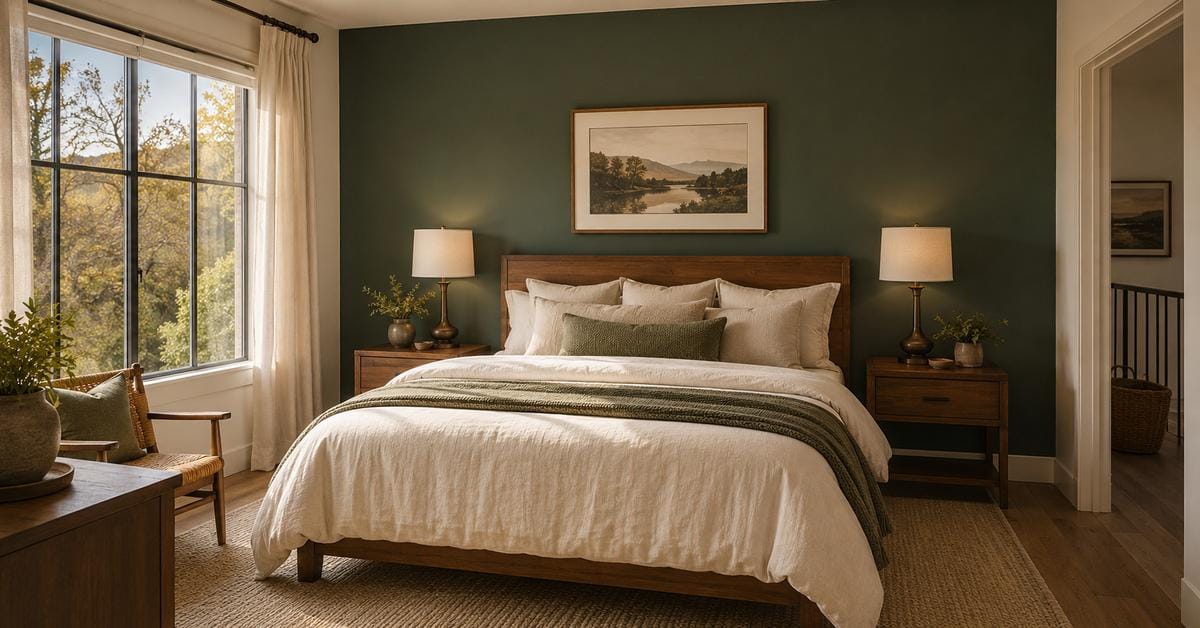
The best accent wall colors for Auburn and foothill homes have warm undertones that work with the region’s distinctive golden light. Earthy greens like sage and olive, deep blues with warm undertones, and warm neutrals like greige and warm taupe are proven choices here. Cool colors can look flat in foothills light. Test colors at different times of day in your specific room before committing. Lighting direction matters as much as the color itself.
An accent wall is one of the most effective ways to add depth and visual interest to a room without committing to painting all four walls. But choosing the right color is more about understanding your space and the light in Auburn than it is about following trends. I’ve painted hundreds of accent walls throughout the foothills. You can see examples in my painting portfolio. I’ve learned that the warm, golden light here plays with color differently than other regions. Certain colors that look stunning on a paint swatch under artificial light can look completely different in the golden-hour light common to Auburn homes. Let me walk you through the color families that work, the rooms where accents shine, and how to choose a color that will look right in your specific space.
An accent wall works because it’s a design choice that feels intentional. A random color on a random wall looks confused. The right accent wall feels like it was always meant to be there.
Why Do Accent Walls Work (And Why Do Some Fail)?
An accent wall creates visual interest by introducing a bold or contrasting color to one wall while the other three remain neutral. Done right, it adds depth and draws the eye. Done wrong, it just looks awkward.
- The key is intentionality. The accent wall should draw focus to a specific architectural feature (like a fireplace, built-in shelving, or a feature wall behind a bed) or create a clear visual boundary (like separating a living area from a dining area). If there’s no visual reason for the wall to be a different color, it will feel random and unfinished.
- Light matters more than color name. The same color looks different in morning light than evening light, and the warm, golden light of the Auburn foothills at sunset makes warm colors glow and cool colors recede. Test your color choice at different times of day before committing.
- The accent color should complement, not compete. Your accent wall should tie in with your existing decor, your wood tones, your trim, your flooring, your furniture. It should feel like part of the overall design, not an afterthought that contradicts everything else in the room.
How Does Auburn’s Natural Light Affect Your Color Selection?
The natural light in Auburn and the Sierra Nevada foothills is distinctly warm. This isn’t the cool, bright light of the coast or the gray light of northern climates. In spring and fall, the sun is lower in the sky, casting golden light that makes warm colors look rich and can make cool colors look washed out or dull.
If you’d rather have a professional handle it, take a look at my interior painting services in Auburn.
- Warm colors come alive in foothills light. Warm earth tones (terracotta, warm taupe, golden tan, warm gray), warm greens (sage, olive, golden-green), and warm neutrals (warm white, cream, warm gray) all glow in the natural light here. If you love a color, ask yourself: does it have warm undertones? If so, it will look better in an Auburn home.
- Cool colors can feel flat. True cool grays, cool blues, and colors with strong blue undertones can look dull or washed out in warm foothills light. This doesn’t mean you can’t use cool colors, you can. But choose warm-leaning cool colors: slate blue instead of icy blue, warm gray-blue instead of cool gray, sage instead of true emerald green.
- The time of day changes everything. If your room gets afternoon sun, test colors in that light. If it’s a north-facing room with steady, indirect light, that’s a different environment. The direction your room faces affects which colors will look best.
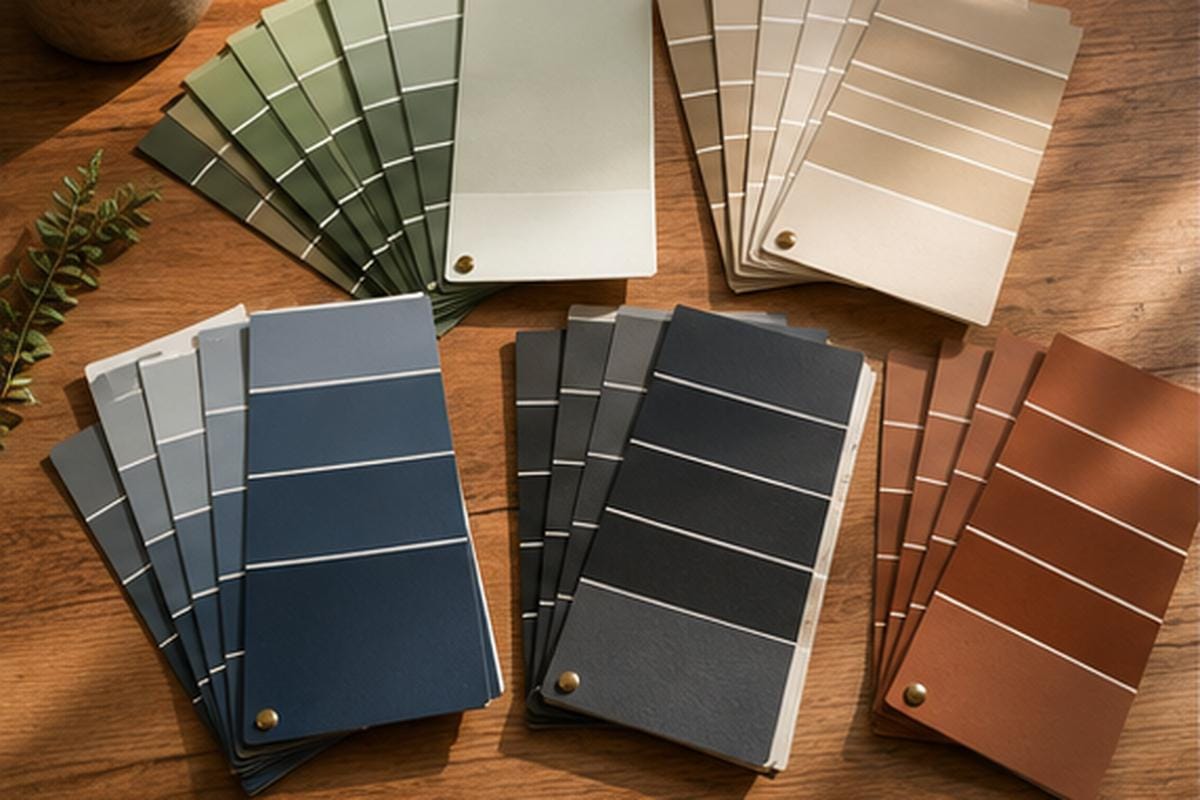
Which Color Families Work Well in Auburn Homes?
These color families are proven winners in foothills homes because they complement the natural light and work with the architectural styles of the area.
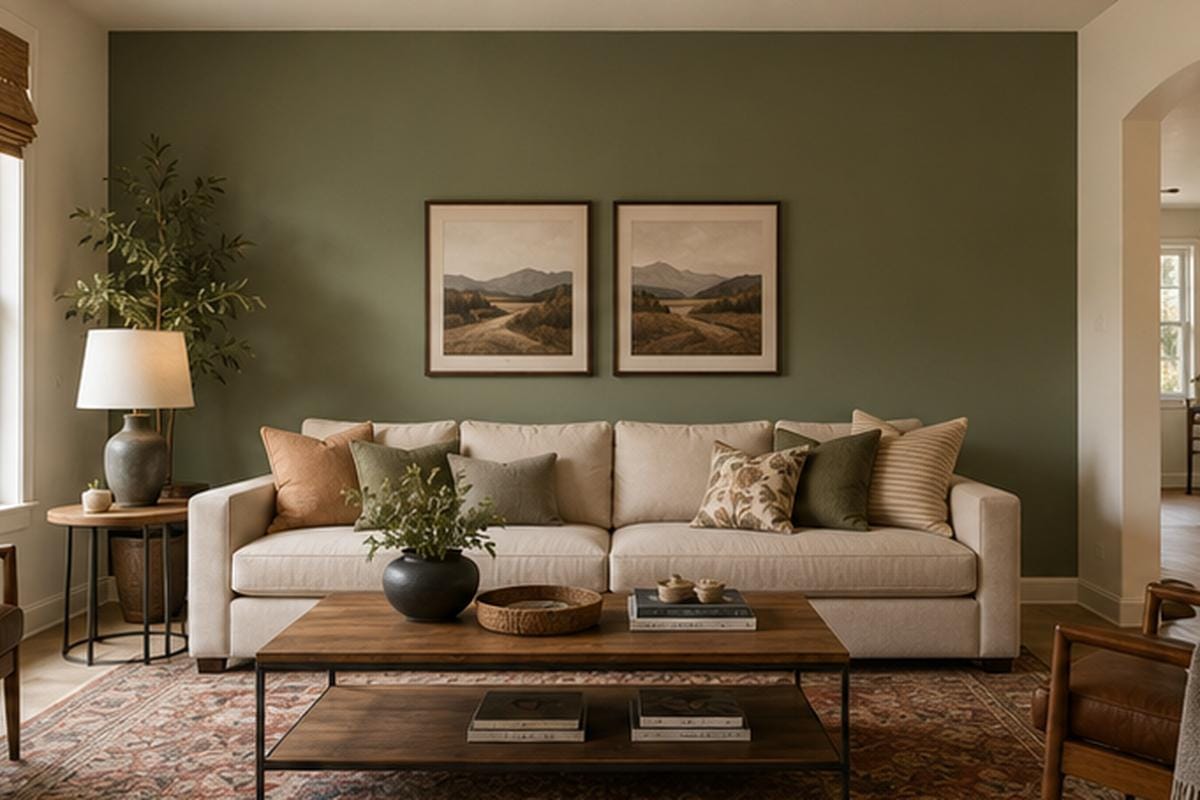
- Earthy Greens (Sage, Olive, Forest Green). These colors are at peak popularity, and deservedly so. They work because they tie in with the natural landscape around Auburn and complement warm wood tones common in foothills homes. Sage is soft and sophisticated; olive feels slightly more earthy and grounded; forest green makes a bold statement. These work beautifully in living rooms, bedrooms, and even kitchens. Pair them with natural wood, warm white trim, and brass or gold hardware for an effortless, timeless look. Benjamin Moore HC-113 (Sage Green) and Sherwin-Williams Evergreen Fog are excellent options.
- Warm Neutrals (Warm Taupe, Warm Gray, Greige). These are the sophisticated choice if you want something subtle. A warm taupe or greige accent wall is elegant and flexible, it works with almost any decor and doesn’t compete with furniture or accessories. It’s the safe choice if you’re not confident about color. Benjamin Moore’s Aged Pewter or Sherwin-Williams Urbane Bronze are warm, sophisticated options.
- Deep Blues (Navy, Slate, Indigo). A deep blue accent wall feels luxurious and calming. The key is choosing a blue with some warmth, slate blue or navy with subtle green undertones rather than bright icy blue. Deep blue works beautifully in bedrooms (it promotes calm) and in home offices. Benjamin Moore’s Hale Navy or Sherwin-Williams Naval are classic choices that look rich in foothills light.
- Moody Darks (Charcoal, Hunter Green, Deep Rust). If you want drama, go dark. A charcoal accent wall behind a bed or in a dining room feels sophisticated and intimate. Hunter green or deep rust tones add warmth and character. These colors demand quality lighting and work best in rooms with good natural or accent lighting. They’re not for small, dark rooms, they need space to breathe.
- Warm Reds and Rust Tones. Terracotta, rust, and warm red tones are bold but beautiful in the right setting. They work well in dining rooms (where they encourage gathering and conversation) and in entryways. They’re less common in bedrooms. These colors are warm and energizing, perfect for spaces where you want to create a sense of coziness or energy.
How Do Warm vs. Cool Undertones Affect Your Accent Wall Choice?
This is the distinction that actually matters more than the color name itself.
- Warm undertones. Warmth in a color comes from red, orange, or yellow undertones. If your home has warm-toned siding (cream, tan, warm white), warm wood floors or trim, or warm-colored furniture, your accent wall should have warm undertones. It creates visual continuity. A warm sage (with golden or earthy undertones) will feel cohesive; a cool sage (with blue undertones) might feel at odds.
- Cool undertones. Cool colors have blue, purple, or gray undertones. Cool colors work in modern homes with cool siding, cool gray trim, and cool-toned furniture. But here’s the thing: most Auburn foothills homes have warm natural elements (wood, warm light), so even if you want a cool color, it often works better with warm undertones. A slate blue (cool but with subtle warm gray) works better than icy blue.
- The undertone rule: If you’re unsure, choose a color with warm undertones. In the Auburn foothills climate and light, warm colors harmonize better with the environment.
Should You Do One Accent Wall or Two?
Most people think “accent wall” means one wall. But sometimes two walls work better.
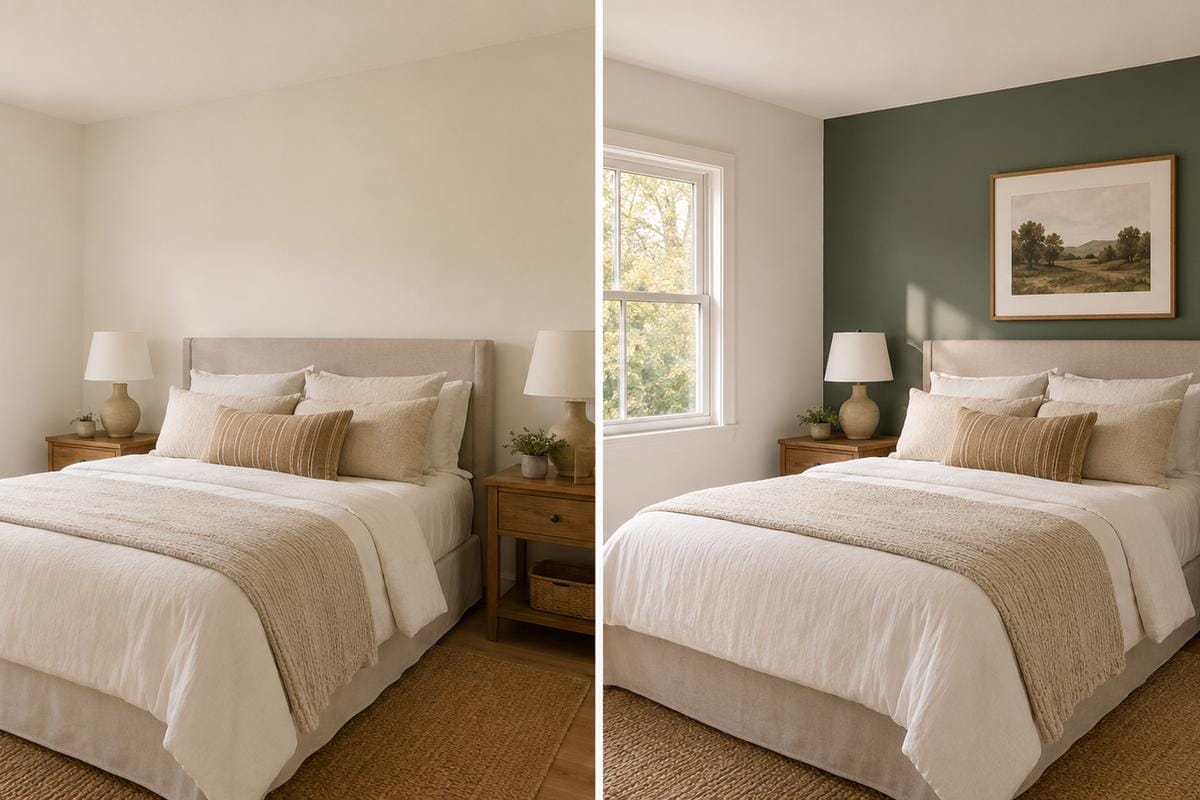
- One wall. Pick the wall with the most architectural interest or the wall people look at when they enter the room. For a bedroom, it’s usually the wall behind the bed. For a living room, it might be the wall with a fireplace or a window. One wall creates focus without overwhelming.
- Two adjacent walls. Sometimes two walls work better than one. If your room is defined by a corner (like a kitchen nook or a bedroom corner), two adjacent walls can frame that space and create a cohesive look. But two walls must be adjacent, don’t do opposite walls. That looks random.
- Three or four walls is not an accent. If you’re painting more than two walls a different color, you’ve moved beyond an accent. At that point, you might as well paint the whole room or stick with one bold wall. Restraint is what makes an accent wall work.
What Sheen and Finish Should You Use for an Accent Wall?
The color is important, but so is the finish.
- Eggshell. This is the standard choice for most rooms. Eggshell has a very slight sheen that catches light subtly and makes the color feel rich. It’s durable enough for living rooms and hallways where you might have traffic or handprints. This is what I recommend for most accent walls.
- Satin. Satin is slightly shinier than eggshell. Use it in kitchens or bathrooms where durability and cleanability matter. The higher sheen shows imperfections more, so it requires meticulous painting, but it cleans beautifully.
- Flat. Flat paint has no sheen and looks velvety. It hides imperfections and shows color depth beautifully. But it’s not washable and shows wear easily. Use flat only in bedrooms where traffic is minimal and walls aren’t likely to get dirty.
Which Accent Wall Colors Work Best by Room Type?
Different rooms benefit from different color approaches.
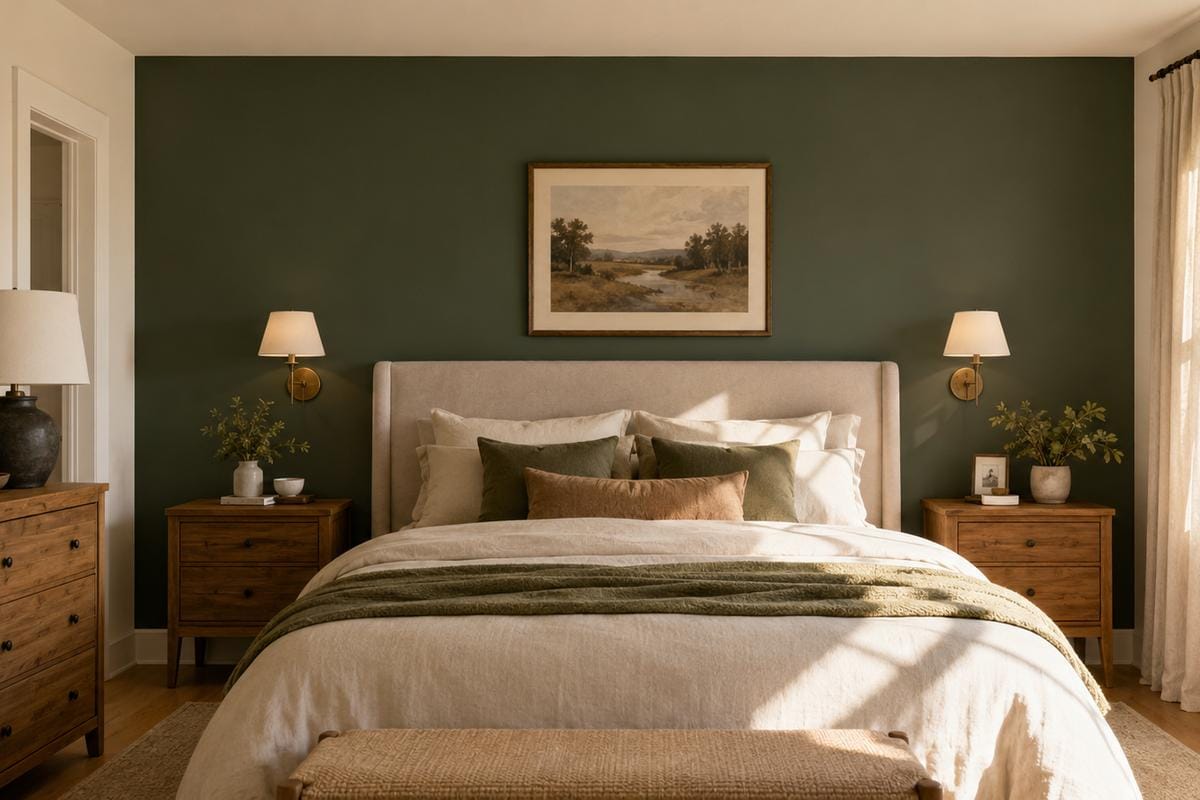
- Bedrooms. Bedrooms are ideal for accent walls because they’re low-traffic and intimate spaces. Bold colors work here: navy, sage green, charcoal, or warm taupe all work beautifully behind a bed. Paint the wall directly behind your bed (the focal point of the room) and leave the other three neutral. It creates a cozy, intentional look.
- Living Rooms. A feature wall (fireplace, shelving, or architectural detail) is the perfect place for an accent. Warm neutrals, sage green, or deep blue create sophistication. Avoid overly bright or aggressive colors in spaces where you’ll spend a lot of time relaxing.
- Kitchens. Accent walls in kitchens are trickier because kitchens have a lot of visual activity (cabinets, appliances, counters). If you do an accent wall, keep it subtle: warm taupe, warm gray, soft sage, or creamy beige. Pair it with white or cream on the other walls so the accent enhances rather than competes.
- Bathrooms. Small bathrooms can handle bold accent wall colors because the space is contained. Deep blue, sage green, or even warm rust work beautifully in a bathroom. Paint the wall behind the sink or toilet, or the wall that’s most visible when you open the door. For bathroom-specific paint requirements and finishes, see my guide on bathroom accent walls.
- Dining Rooms. Dining rooms are perfect for slightly bolder accent colors because you’re not sleeping or relaxing there, you’re gathering. Warm rust, deep green, navy, or even a warm muted mustard can create an inviting, conversation-friendly atmosphere.
How Do You Coordinate an Accent Wall With Your Trim and Existing Colors?
Your accent wall doesn’t exist in isolation. It has to work with your trim color, your floor, and the colors of the other three walls.
- White or cream trim. This is standard in most homes and works with almost any accent color. Warm white (not pure white) trim looks better with warm colors. Cream trim is more forgiving and works with both warm and cool colors.
- Honey or golden wood trim. If you have warm wood tones, your accent wall should have warm undertones. Sage, warm gray, terracotta, and rust tones all pair beautifully with warm wood. Cool gray or cool blue can look at odds.
- Flooring. If you have warm wood flooring, warm-toned accent walls harmonize. If you have gray or cool-toned flooring, you have more flexibility to go cool. But in Auburn homes, which often have warm wood elements, warm accent colors are typically safer.
- Other walls. The other three walls should be neutral and slightly lighter than the accent wall. Bright white, soft white, cream, or soft gray all work. The neutrality of the other walls lets the accent wall be the star.
What Are the Best Benjamin Moore and Sherwin-Williams Colors by Color Family?
I’ve used these colors in hundreds of Auburn homes, and they work consistently well.
- Sage and Green: Benjamin Moore HC-113 (Sage Green), Benjamin Moore AF-655 (Spring Green), Sherwin-Williams Evergreen Fog, Sherwin-Williams Naval (wait, that’s blue; let me correct: Sherwin-Williams Urbane Bronze is dark; for green try SW Rookwood Green or SW Accessible Green)
- Navy and Blue: Benjamin Moore Hale Navy, Benjamin Moore AF-555 (Gentle Blue), Sherwin-Williams Naval, Sherwin-Williams Infinity (deep blue-black)
- Warm Grays and Taupes: Benjamin Moore Aged Pewter, Benjamin Moore Chelsea Gray, Sherwin-Williams Urbane Bronze, Sherwin-Williams Accessible Beige
- Deep/Moody Colors: Benjamin Moore AF-720 (Black Panther), Benjamin Moore AF-690 (Cavern Clay for rust), Sherwin-Williams Tricorn Black (for true dark), Sherwin-Williams Iron Ore
- Warm Reds and Rust: Benjamin Moore AF-690 (Cavern Clay), Benjamin Moore HC-61 (Red Rocks), Sherwin-Williams Sierra Redwood
Accent wall painting is part of the interior work I do throughout Auburn and Placer County. If you need a residential painter in Auburn who understands how color interacts with foothills light, take a look at what I offer.
If you are working with a shiplap accent wall, see my guide on shiplap wall paint options for specific priming and finish advice that applies on top of these color choices.
Frequently Asked Questions
What color makes the best accent wall?
The best accent wall color depends on your room and home, but warm earthy greens (sage, olive), deep blues (navy, slate), and warm neutrals (warm taupe, greige) are timeless choices that work beautifully in Auburn homes. Test your color choice in your room at different times of day before committing.
Should accent wall be lighter or darker?
An accent wall is usually darker than the other walls. A darker accent creates depth and draws focus. A lighter accent can feel washed out and purposeless. The exception: if the other walls are already quite dark, the accent could be lighter, but this is rare and usually less effective than going darker.
Which wall should be the accent wall?
Paint the wall with the strongest architectural feature or the wall that's most visible when you enter the room. In bedrooms, it's the wall behind the bed. In living rooms, the wall with a fireplace or the main focal point. In bathrooms, the wall behind the sink or the first wall you see. The accent should draw focus to the most important architectural element.
Does an accent wall make a room look smaller?
A darker accent wall can make a room feel slightly smaller or cozier, but it doesn't significantly reduce the visual space unless the color is extremely dark. The effect is subtle. If your room is already small, use a warm rather than cold dark color, and make sure you have good lighting to keep the space from feeling cave-like.
How do I choose an accent wall color?
Start with colors that complement your existing decor, your wood tones, flooring, and furniture. Choose a color with warm undertones (Auburn's light favors warm colors). Buy sample pots, paint large test areas on different walls, and observe them at different times of day. The time of day and light direction matter more than you'd expect. Trust what looks right in your space, not what looks right on a paint chip.
Is one accent wall enough or should I do two?
One accent wall is typically the most effective choice. It creates focus without overwhelming. Two adjacent walls can work if they frame a specific corner or architectural feature, but two opposite walls looks random. Stick with one unless there's a clear design reason for two.
Choosing the right accent wall color for your Auburn home means understanding both the color and how it interacts with your specific space and light. If you’re ready to paint and want professional guidance on color selection or application, get in touch. I can help you choose a color that will work beautifully in your home and make sure the painting is executed flawlessly.