Cedar requires oil-based semi-transparent stain. Water-based stain reactivates cedar’s natural tannins and causes bleed-through discoloration. New cedar should wait 6–12 months before staining to allow natural oils to weather away. In the foothills, quality cedar-specific stain (Cabot Australian Timber Oil or Armstrong-Clark) lasts 2–3 years before recoating. Getting the stain type and timing right matters more with cedar than with any other decking wood.
Cedar is one of the best decking woods you can choose. It’s naturally rot-resistant, it looks beautiful, and it takes stain well. But cedar has specific characteristics that most DIY staining guides skip over.
New cedar behaves completely differently from aged cedar. Cedar has tannins that can bleed through some stains. And cedar’s tendency to gray quickly in UV light is something every foothills homeowner needs to understand before they stain a cedar deck and then wonder why it doesn’t hold its color.
I’ve stained hundreds of cedar decks throughout Auburn and the Sierra Nevada foothills, and I want to share what actually works with this premium wood. You can see some of the results in my project portfolio.
The good news: once you understand cedar’s quirks, staining it is straightforward and produces beautiful, durable results that last for years. The bad news: skipping these cedar-specific steps leads to problems that are expensive to fix later.
Does It Matter Whether Your Cedar Is New or Has Been Weathering for Years?
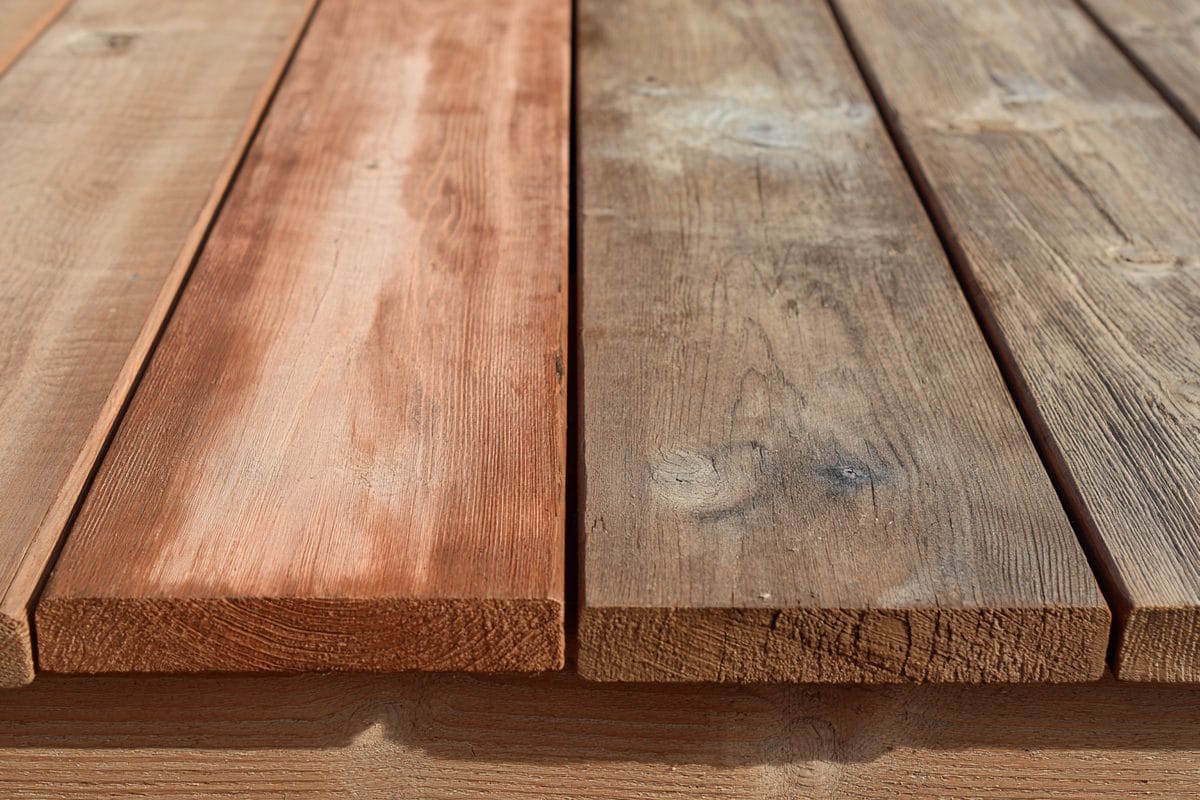
Cedar degrades over time in the sun, and this affects how you approach staining.
- New cedar. Fresh-milled cedar is dense and has natural oils in the wood that actually resist water and stain penetration. When a contractor installs a new cedar deck, the wood can have a waxy, closed-grain appearance. If you try to stain new cedar immediately, the stain may not penetrate evenly. Some manufacturers recommend waiting 6-12 months before staining, allowing the natural oils to weather away and the wood grain to open up.If you don’t want to wait, you have two options: apply a pre-treatment that opens the grain and removes the natural oils, or use an oil-based penetrating stain specifically formulated to work with cedar’s natural oils. Cabot Australian Timber Oil and Armstrong-Clark are good choices for new cedar because they’re designed to penetrate and work with the wood’s natural characteristics.
- Aged cedar. A cedar deck that’s been exposed to the sun and weather for a year or more has lost those surface oils. The wood is more porous and accepts stain readily. The challenge: aged cedar has typically grayed from UV exposure, and you’ll need to decide whether to brighten it first or accept the aged look.
The key takeaway: don’t assume all cedar is the same. Ask yourself, or the builder who built your deck, how old the cedar is. It changes your approach.
Why Does Cedar Turn Gray So Fast, and How Do You Stop It?
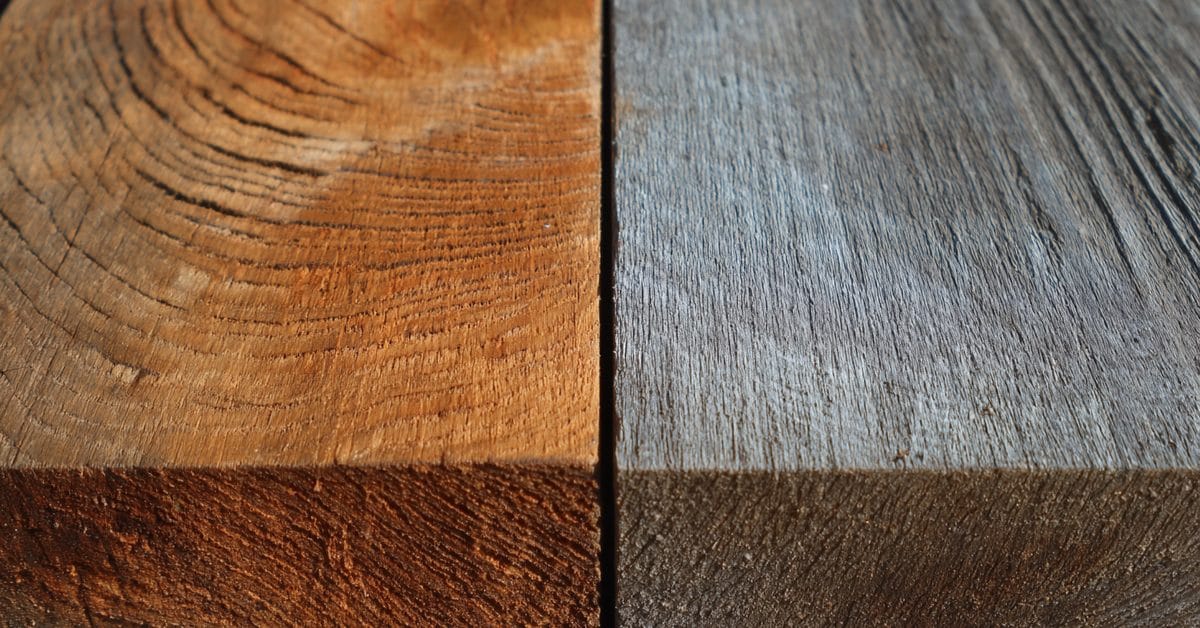
This is the most visible issue I see with cedar decks in the foothills. Without protection, beautiful warm cedar turns silvery-gray in a single season. It’s not rot or damage, it’s UV-induced oxidation. The warm reddish tones of the wood are bleached out by intense sunlight, leaving behind a gray patina.
Want a pro to handle it? Take a look at my deck staining services.
- Why it happens so fast in Auburn and the foothills. We get intense, direct sun with minimal cloud cover. The altitude amplifies UV exposure. A cedar deck in the foothills can gray faster than one in coastal California or northern climates where there’s more marine layer and overcast days.
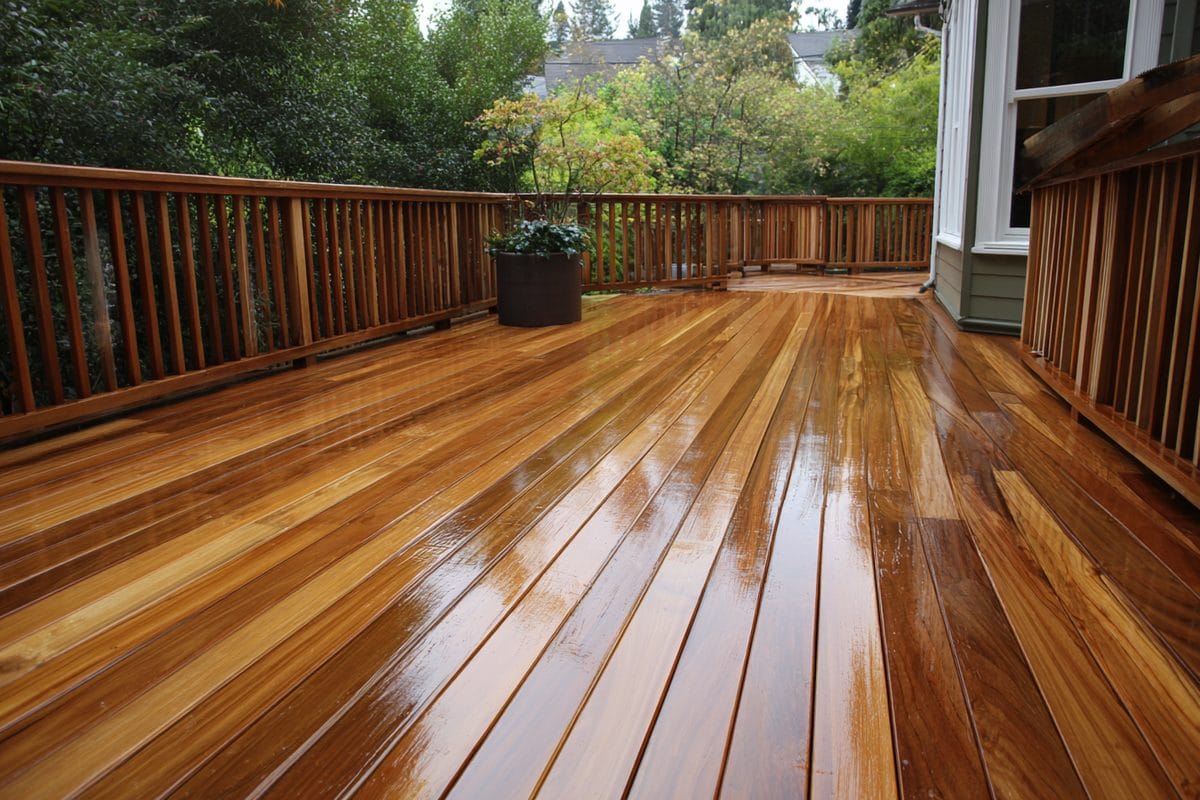
- Can you stop it completely? No. UV light will eventually affect any wood. But you can slow it dramatically with a good stain that includes UV protection. A quality cedar stain (especially oil-based semi-transparent) will keep the cedar warm and rich-looking for 2-3 years or more before you need to recoat.
- The solution. Stain your cedar deck as soon as it’s ready (either after natural weathering for 6-12 months or immediately if you use the right stain). The stain acts as a sunscreen, blocking some UV and protecting the natural cedar color. Without stain, the clock is ticking.
What Is Tannin Bleed and How Do You Prevent It on Cedar?
Cedar contains tannins, natural compounds that give the wood its warm red-brown color. In the presence of water (or water-based stain), these tannins can migrate to the surface and bleed through, creating reddish or pinkish stains or discoloration on top of your stain. It’s not attractive, and it’s a problem I see with DIYers who use water-based stain on cedar.
- Why it happens. Water-based stains introduce moisture into the wood. The moisture reactivates the tannins, which then bleed to the surface and through the stain coating. The more porous the wood (like aged cedar), the more likely tannin bleed is to occur.
- How to prevent it. Use an oil-based penetrating stain for the first application on cedar. Oil-based stain doesn’t introduce water and won’t reactivate tannins. You can use water-based stain for subsequent coats if needed, but the first coat should be oil-based. Alternatively, some manufacturers make pre-stain wood conditioners or tannin-blocking primers specifically for cedar and redwood. If you want to use water-based stain, apply a primer that blocks tannins first.
- What to do if bleed-through happens. If you’ve already stained and tannins are bleeding, you’ll need to sand or strip the finish and start over. This is why getting it right the first time matters.
What Are the Best Stains for Cedar Decks?
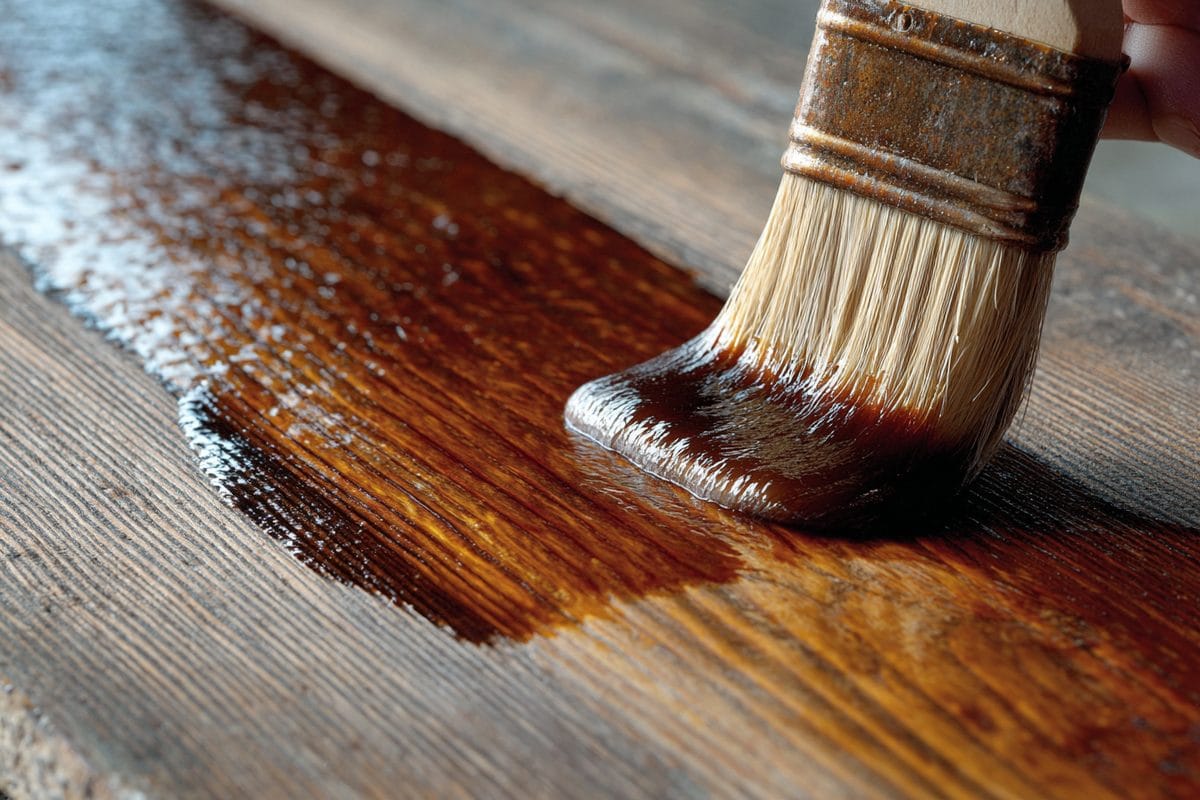
Not all stains are created equal when it comes to cedar. Here’s what actually works in the foothills.
- Cabot Australian Timber Oil (semi-transparent, oil-based). This is my go-to for new and aged cedar. It’s specifically formulated for softwoods like cedar. The oil-based formula penetrates the wood without water-related issues, it protects against UV, and it enhances the natural warmth of cedar while letting the grain show through.Colors like Merbau and Naturals Blonde-Ash are popular and age beautifully. Coverage: roughly 150-200 sq ft per gallon. Drying time between coats: 24 hours. This is a premium product and costs more, but the durability and finish quality justify it.
- Armstrong-Clark Cedar Tone Stain (semi-transparent, oil-based). Another excellent choice specifically formulated for cedar. It’s penetrating (not a surface film) and maintains the cedar’s natural character while providing protection. Slightly less expensive than Cabot, still high quality. Good for both new and aged cedar.
- TWP (The Wood Protectant) Semi-Transparent (oil-based). A more budget-friendly option that still performs well. Penetrating formula, good UV protection, and available in colors suitable for cedar. Not quite the longevity of Cabot or Armstrong-Clark, but respectable.
- For solid color coverage: If you want to hide the grain and go with a bold, opaque color on cedar, use an oil-based solid stain. This is less common on cedar (people usually choose cedar specifically for the grain), but it’s an option on aged, weathered cedar where the grain has lost character.
Avoid cheap hardware-store stains on cedar. The UV protection is minimal, and you’ll be recoating frequently. Spend a bit more upfront on a quality cedar stain and you’ll avoid problems down the road.
How Do You Properly Prep New Cedar Before Staining?
If you have a newly installed cedar deck, here’s what to do:
- Wait for the right moment. The ideal approach is to wait 6-12 months after installation, allowing the natural oils to weather away and the wood grain to open. During this waiting period, the wood will naturally gray slightly, but that’s okay, the brightening and staining process will address it.
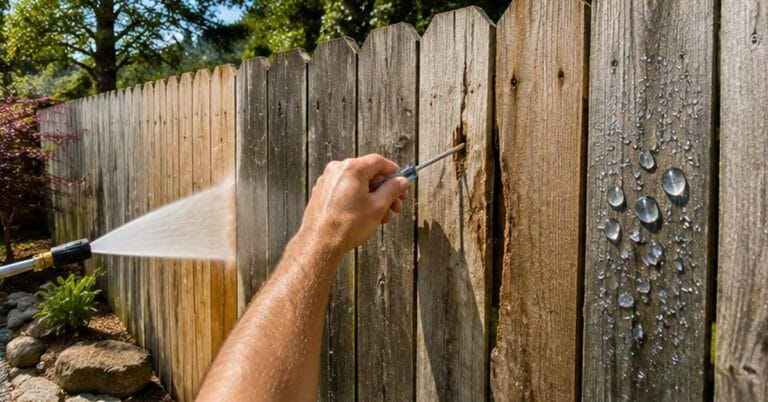
- Clean and brighten. When you’re ready to stain, power wash the deck gently (1500 PSI, not higher) to remove surface dirt and debris. Then apply a wood brightener to restore the cedar’s natural color and open the grain. This makes a huge difference on cedar that’s been outside for a few months.
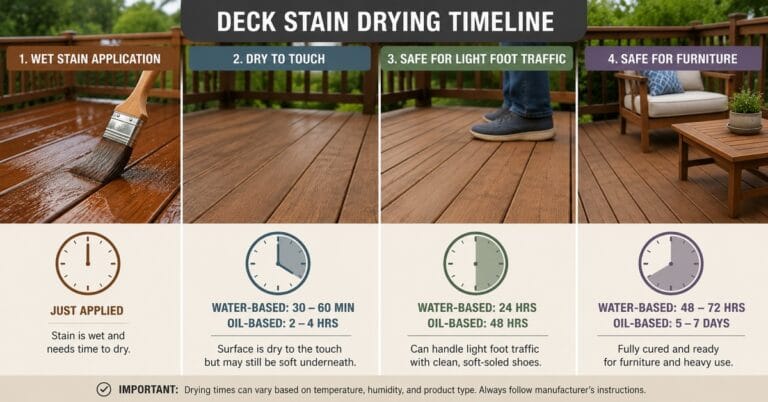
- Let it dry completely. Wait 48-72 hours after brightening before staining. Cedar needs to be dry.
- Apply stain. Use an oil-based semi-transparent stain formulated for cedar. Apply two coats, 24 hours apart, back-brushing as you go to ensure even penetration.
For the full walkthrough of application technique, including back-brushing, section management, and coverage rates, see my guide on how to stain a deck.
Why Does Cedar Absorb Stain Differently Than Other Woods?
Cedar absorbs stain quickly and fairly evenly compared to pressure-treated wood. This is good. It means the stain penetrates well, but it also means you have to work fast.
- Work in small sections. Don’t try to stain a large area all at once. Work one or two boards at a time, or a 4×4 foot section. Cedar drinks stain, and if you allow the edge to dry before you can blend it into the next section, you’ll get lap marks.
- Back-brush immediately. Apply stain with a pad or roller, then immediately back-brush with a brush, feathering the edges. This distributes the stain evenly and prevents blotchy absorption.
- Don’t skimp on the second coat. Cedar often needs two coats to achieve rich, even color. The first coat is absorbed deeply. The second coat sits on top and gives you the final color. Always plan for two coats with cedar.
- Pay attention to end grain. The ends of boards and the tops of posts are very thirsty. Apply an extra coat to these areas or use a specific end-grain stain sealer.
How Often Do You Need to Restain a Cedar Deck in the Foothills?
Once your cedar deck is stained, staying on top of maintenance is what keeps it looking good.
- Annual inspection. Every spring, walk your cedar deck and look for areas where the stain is fading, where water isn’t beading (indicating the protective coat is thinning), or where weathering is showing through. This tells you when recoating is needed.
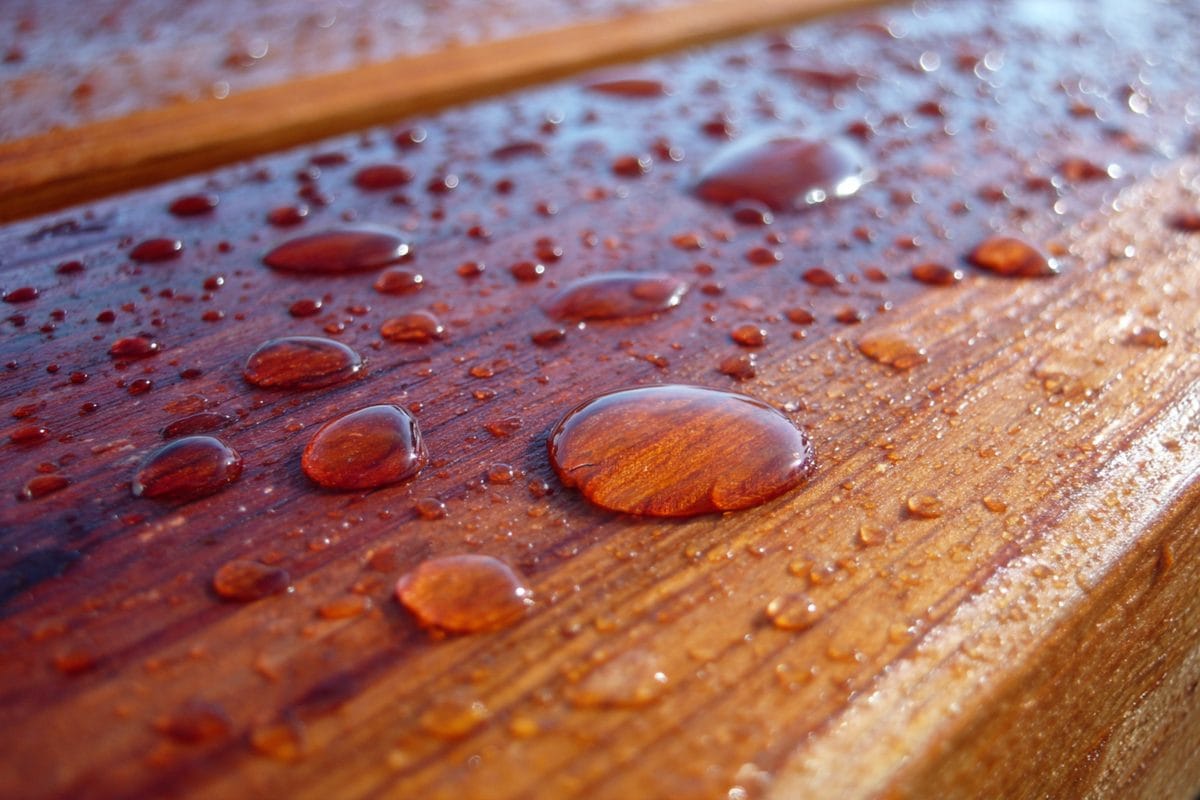
- Water bead test. Sprinkle a few drops of water on different areas of the deck. If the water beads up and rolls off, the stain is still sealing the wood. If it soaks in, it’s time to recoat.
- Recoating frequency. In the foothills with intense sun, expect to recoat every 2-3 years. This is shorter than in other climates because of our UV exposure. Some people recoat every 2 years just to stay ahead of fading.
- Cleaning before recoating. When it’s time to recoat, clean the deck (power wash or stiff brush and cleaner) and let it dry. Light sanding or a deck renewal product can help the new stain adhere. Then apply a fresh coat or two.
Cedar Deck Stain vs. Sealer: Do You Actually Need Both?
Stain and sealer are different products with different purposes, and this confuses a lot of people.
- Penetrating stain (oil-based, like those recommended above). This soaks into the wood and becomes part of the wood itself. It provides color, some UV protection, and some water resistance. A good penetrating stain on cedar lasts 2-3 years.
- Sealer. A sealer is a topcoat that sits on the surface of the wood and creates a barrier against water and UV. Clear sealers exist, as do pigmented sealers (which are basically stains with extra resin for durability).
- Do you need both? For a residential cedar deck in the foothills, a quality penetrating stain is usually sufficient. You don’t need to seal over it. If you want maximum durability and are willing to do more maintenance, you could apply a sealer over a stain, but it adds cost and complexity. Stick with a good penetrating stain on cedar.
Cedar deck staining is specialized work, but most of my clients hire me for other projects over the years too: exterior painting, interior walls, and cabinet refinishing. If you want to know more about what I do as an Auburn house painter, I’m happy to talk through whatever project you have in mind.
Frequently Asked Questions
What is the best stain for a cedar deck?
Oil-based penetrating semi-transparent stain formulated for softwoods like cedar. Cabot Australian Timber Oil and Armstrong-Clark are top choices because they penetrate without water-related tannin issues, enhance cedar's natural color, and provide good UV protection. Expect to pay more for premium cedar stains, but they last longer and look better.
Do you need to seal a cedar deck?
No, a quality oil-based penetrating stain on cedar is sufficient protection. A sealer is an additional topcoat that sits on the surface. Most residential cedar decks do well with just penetrating stain. If you want maximum durability, you could add a sealer over the stain, but it's not necessary for a well-stained cedar deck.
Can you use water-based stain on cedar?
Water-based stain can cause tannin bleed-through on cedar because the water reactivates the tannins in the wood. If you want to use water-based stain, apply an oil-based stain or tannin-blocking primer first. For the best results on cedar, use oil-based stain for the first application.
How long does cedar deck stain last?
A quality oil-based semi-transparent stain on cedar lasts 2-3 years in the foothills climate before it needs refreshing. The intense UV exposure in Auburn and the Sierra foothills means cedar decks require recoating more frequently than in milder climates. Annual inspection helps you know when it's time.
How do you prep a new cedar deck for staining?
If possible, wait 6-12 months after installation to allow natural oils to weather away and the grain to open. Then power wash gently, apply a wood brightener, let it dry 48-72 hours, and apply two coats of oil-based semi-transparent stain formulated for cedar, 24 hours apart.
Why is my cedar deck turning gray?
UV light and oxidation turn cedar gray when it's not protected by stain. Cedar can gray in a single season in foothills climates with intense sun. Prevent this by staining your cedar deck with a UV-protective stain as soon as it's ready (after 6-12 months if new, or immediately if using the right stain). Recoat every 2-3 years to maintain color.
Cedar is a premium decking wood that deserves proper care and the right stain. If you have a cedar deck in Auburn, Granite Bay, Rocklin, or anywhere in the foothills and you want to get the staining right, reach out for a consultation. I’ll assess your cedar deck’s age and condition, recommend the right stain and approach, and make sure it stays beautiful for years.