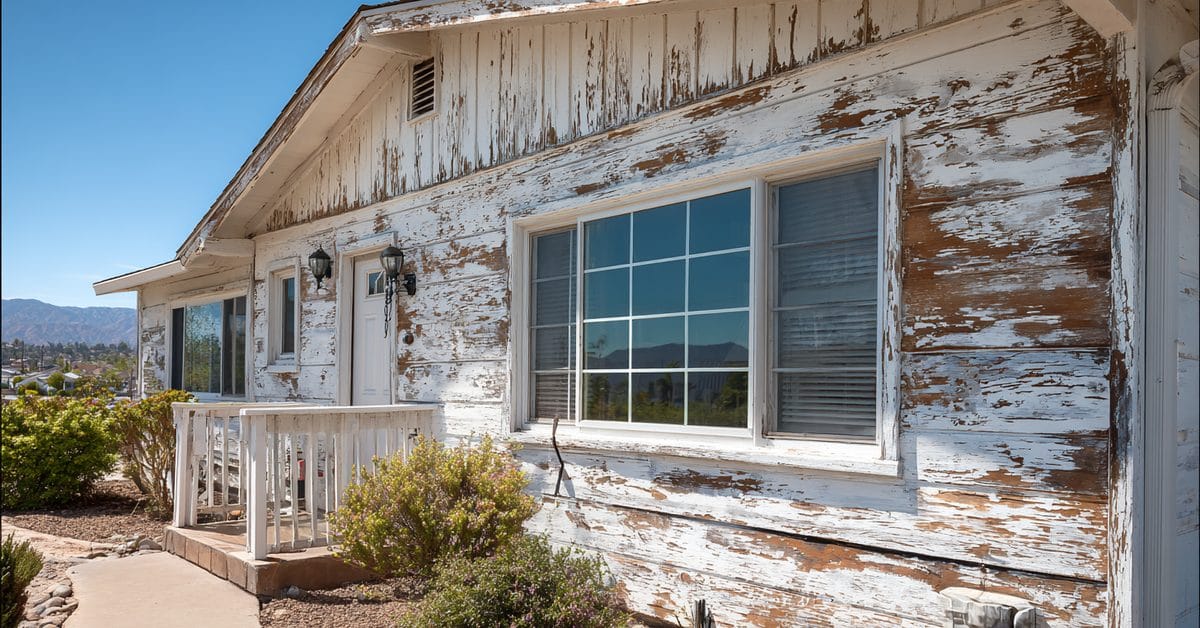
The five signs it is time to repaint your home’s exterior are chalking or fading paint, peeling or cracking paint, visible color shift from the original, mildew or algae growth that keeps returning, and bare wood or substrate showing through. In the Auburn and foothills area, a quality paint job typically lasts 8 to 12 years. When these signs appear, repainting protects the structure and prevents expensive repairs.
Your home’s exterior paint is one of the first lines of defense against the weather. In my twenty years painting homes across Auburn and the foothills, I’ve seen what happens when homeowners either repaint too late, after the damage is already done, or waste money repainting too soon. There’s a real window where repainting makes sense, and it all comes down to five key signs that the paint film has reached the end of its life.
The foothills climate is particularly tough on paint. We get brutal UV exposure during hot, dry summers, wet winters with rain running off roofs, and temperature swings that expand and contract the siding constantly. Understanding when to repaint isn’t about guesswork, it’s about reading the paint itself for the signals that it’s failing.
1. Is Your Paint Chalking or Fading?
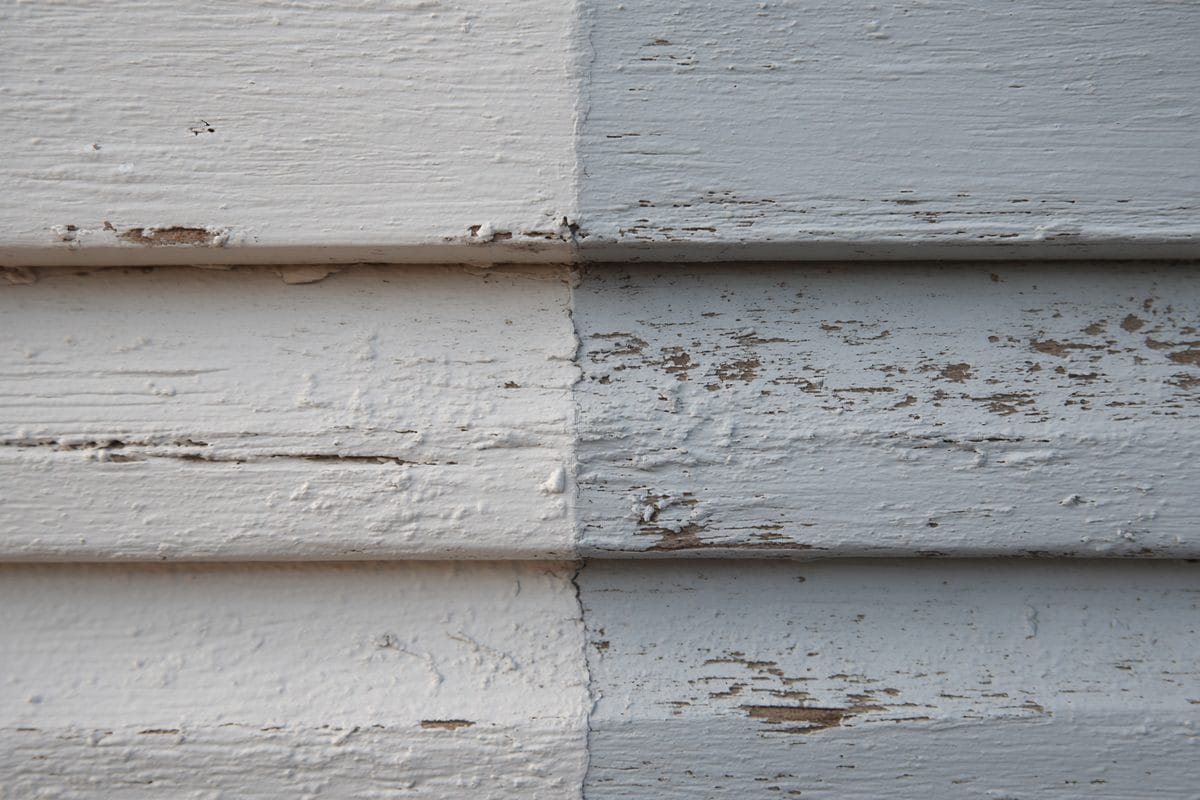
One of the earliest signs that exterior paint is past its prime is chalking. Here’s what’s happening: the pigment in the paint is breaking down under UV exposure, and the binder is oxidizing. You’ll see a white or chalky residue on your fingers when you rub your hand across the siding.
Do this test yourself: run your dry hand across a section of exterior paint. If white powder comes off, that’s chalking, and it means the paint’s protective life is ending. This isn’t just cosmetic. Chalk prevents adhesion for any new paint you might apply, and the pigment loss means the paint is no longer protecting the wood or substrate underneath.
In Auburn and the surrounding areas, I typically see chalking show up after 8-10 years on a quality paint job, sometimes sooner on south-facing walls that take the full brunt of the sun. Fading is closely related. If the color has shifted noticeably from when it was first painted, the protective resin is breaking down too.
Pro Tip
Keep photos of your freshly painted exterior. Pull them out every few years and compare side-by-side. You’ll spot fading way faster than trying to remember what the color was five years ago.
2. Is Your Paint Peeling, Cracking, or Flaking?
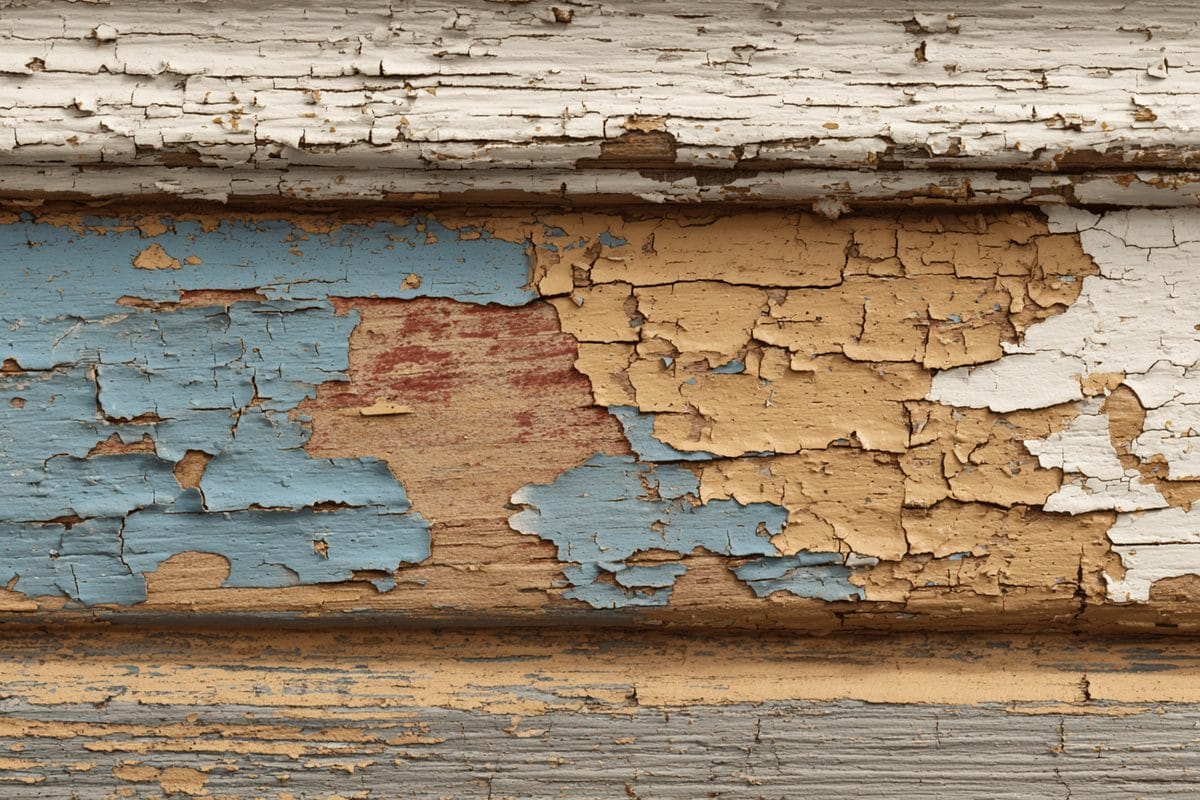
Peeling paint is a red flag that moisture has gotten behind the paint film. This is serious, because once water gets under the paint, it weakens the bond between the paint and the substrate. The paint starts bubbling, then flaking off in pieces. This happens when the paint’s adhesion has failed, usually due to moisture intrusion from below.
If you’d like to see what professional results look like, check out my exterior painting services.
Cracks in the paint film are also trouble. Exterior paint should expand and contract with temperature changes, but once hairline cracks form and water gets into those cracks, it wicks behind the paint and causes wider failure. I’ve seen homeowners who ignored early cracking, and six months later half a wall is peeling.
The key difference: surface dirt and dust won’t cause peeling. A single scuff mark or minor gouge won’t mean it’s time to repaint the whole house. But if you’re seeing flakes coming off in multiple areas, especially along joints, corners, or trim, that’s your signal to call a painter.
3. Has Your Paint Color Shifted or Faded Visibly?
Fading and chalking often go together, but I’m highlighting fading separately because it’s visible even to people who aren’t crawling around testing for chalk. If you look at your house and think “that color doesn’t look right anymore,” it’s because the UV is literally destroying the pigment in the paint.
A high-quality exterior paint in a lighter shade might fade very gradually. A darker color in direct sun can fade noticeably in 5-7 years. This varies wildly depending on which direction the wall faces, the angle of the sun, and how much shade you have. South and west-facing walls in Auburn fade faster than north-facing ones.
This matters because once the pigment is breaking down, the resin (the binder that holds the paint to the wood) is degrading too. A noticeably faded wall is telling you the paint job is nearing the end. You don’t need to act on it immediately, but it’s a warning that your paint isn’t protecting the wood anymore.
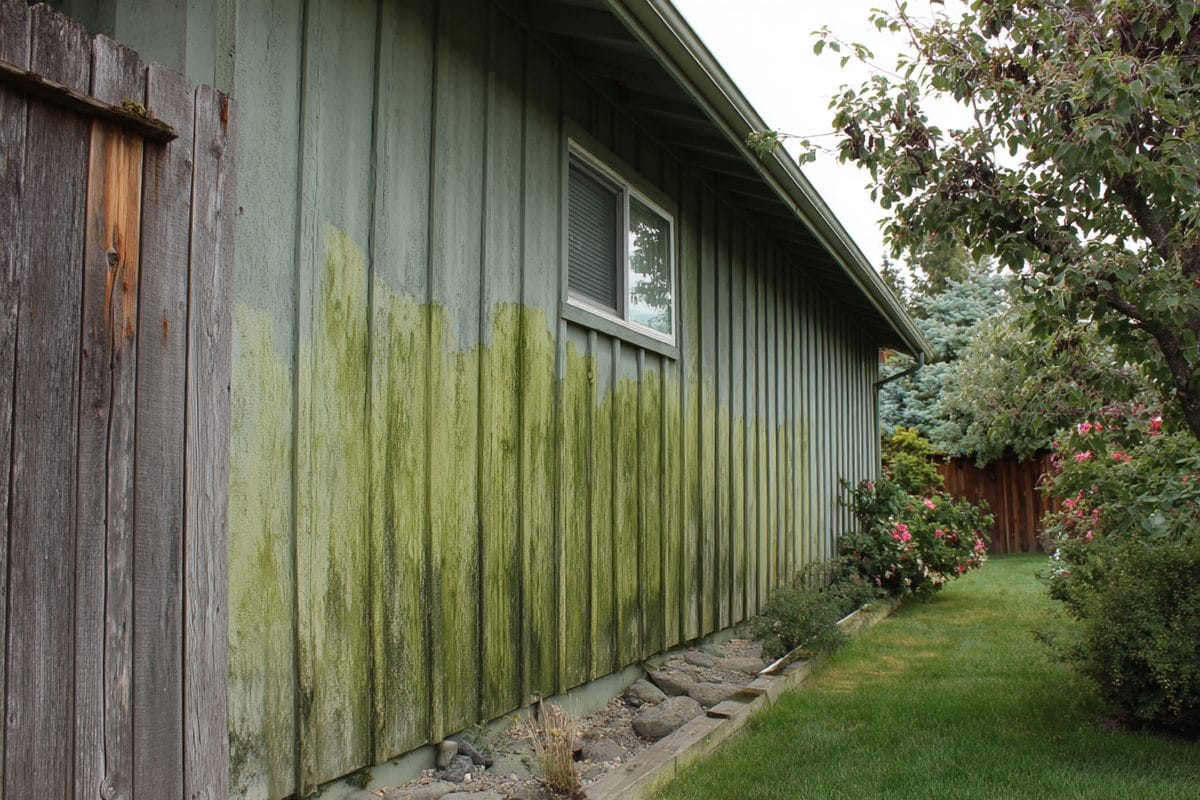
4. Is Mildew or Algae Growth Coming Back Repeatedly?
Mildew and algae are particularly common in the foothills, especially on north-facing walls, shaded areas, and places where moisture lingers. A little green or gray growth is normal and can be pressure washed off. But when you clean mildew off and it comes back within a few months, that’s a sign the paint’s mildewcide additive has worn out.
Paint manufacturers add mildewcide to exterior paint to prevent this exact problem. After 7-12 years of exposure, that additive is depleted, and the paint can no longer fight off mold spores. If you’re pressure washing twice a year to keep mildew at bay, that’s a sign you need new paint.
There’s another issue here too: when mildew keeps coming back, you’re fighting a losing battle trying to keep the house clean. It’s not just a cosmetic problem, persistent moisture issues can indicate the paint is no longer protecting the wood underneath.
5. Is There Bare Wood or Substrate Showing Through?
If you can see raw wood, stucco, or fiber cement board peeking through where the paint has worn away, that’s the clearest possible signal: it’s time to repaint. Bare substrate is exposed to moisture, UV, and temperature swings with no protection. Wood will start checking, splitting, and rotting. Stucco will craze and crumble. This isn’t cosmetic, this is functional failure.
In my experience, bare spots usually show up first along trim, edges, corners, and areas with a lot of foot traffic or weather exposure. Fascia boards at the roofline are especially prone to this. For more on keeping those boards protected, see my guide on painting fascia and soffits. It takes time for the paint to fail this completely, so if you’re seeing bare wood now, you’ve likely missed earlier signals like peeling or chalking.
Once you see bare substrate, the clock is ticking. The wood (or other material) is unprotected. Get it repainted soon, or you’ll be looking at substrate damage that costs way more to fix than a coat of paint would have.
What Does Not Mean It Is Time to Repaint?
Let me be clear about what isn’t a reason to repaint your entire exterior. Surface dirt and dust happen, that’s why we pressure wash. A single scuff mark, a scratch from a branch, or even a small area of minor wear is not a signal to repaint. Paint some clear coat on a gouge, sand it, and move on.
Faded trim or a touch-up that looks slightly different in shade isn’t a reason for a full exterior. Sometimes the answer to a small problem is a small fix, not a whole new paint job.
The five signs I’ve outlined are about systematic, widespread failure of the paint film, not isolated issues.
What Happens If You Ignore the Warning Signs?
I’ve seen what neglect does. A homeowner notices peeling paint and figures they’ll address it next year. By the time they call, it’s not just peeling paint anymore, the wood behind it has started to swell, and soft spots indicate rot beginning to set in. Now instead of a $3,500 paint job, they’re looking at wood replacement, structural repairs, and a $7,000+ project.
Chalking paint that you ignore for years lets water slowly work into the wood. Cracks that aren’t addressed widen as frost wedges into them during winter. Bare wood starts to grey, check, and eventually rot. A mildew problem that keeps coming back can indicate moisture is trapped behind the paint film, degrading the sheathing underneath.
The exterior paint is your house’s primary shield. Ignoring the five signs I’ve described isn’t saving you money, it’s guaranteeing you’ll spend significantly more later.
How Often Should You Repaint in the Auburn Area?
In the foothills climate, a well-executed exterior paint job with quality paint typically lasts 8-12 years. A cheap paint job might fail in 5-6 years. Premium paints and excellent prep work can stretch to 12-15 years, especially on protected walls that don’t face the sun directly.
The variables: south and west-facing walls fail sooner because of UV exposure. Shaded areas last longer. High-quality acrylic latex exterior paint outperforms budget options by years. A house in direct sun with poor drainage will need repainting sooner than one in a forested area with good lot grading.
If you had your house painted seven years ago with quality paint and haven’t yet seen any of the five signs, you’re probably good for another year or two. If it’s been ten years and you’re seeing some chalking or minor fading, schedule a repaint soon, you’re at the tail end of the paint’s life.
What Should You Do Before Repainting Your Home’s Exterior?
If you’ve identified that it’s time for new paint, don’t just brush over the old. Proper prep is the difference between a paint job that lasts 12 years and one that fails in 5.
Start with pressure washing. This removes chalky residue, mildew, dirt, and loose paint, all of which prevent good adhesion for new paint. Use the right PSI (1,500-2,500 for most siding) and follow up with at least 48 hours of dry time before painting.
Scrape off any peeling or flaking paint. Sand rough spots smooth. If there’s bare wood, prime it with a stain-blocking primer before the finish coat. Check for rot, if you find soft spots, they need to be repaired or replaced before paint goes over them.
Caulk gaps and joints properly. Use a quality exterior caulk, not interior caulk. Joints between trim, siding, and corners need to flex with temperature changes but still seal out water.
Use a quality exterior paint. In the foothills, I recommend premium acrylic latex (100% acrylic) or urethane-acrylic blends. For specific surfaces like your garage door, prep and primer differ from siding. See my guide on painting a garage door for that process. These breathe, flex with temperature changes, and hold color longer than budget paints. Pick a sheen appropriate to the surface, flat or eggshell for walls, satin or semi-gloss for trim.
How Do You Get the Repaint Right?
Repainting at the right time keeps your house protected, maintains curb appeal, and prevents expensive repairs. The five signs, chalking, peeling, fading, recurring mildew, and bare wood, are your guide. If you’re seeing any of them, it’s time to start thinking about a new paint job. If you’re not sure whether your house is ready, reach out from a painter who can walk your siding and give you a clear answer.
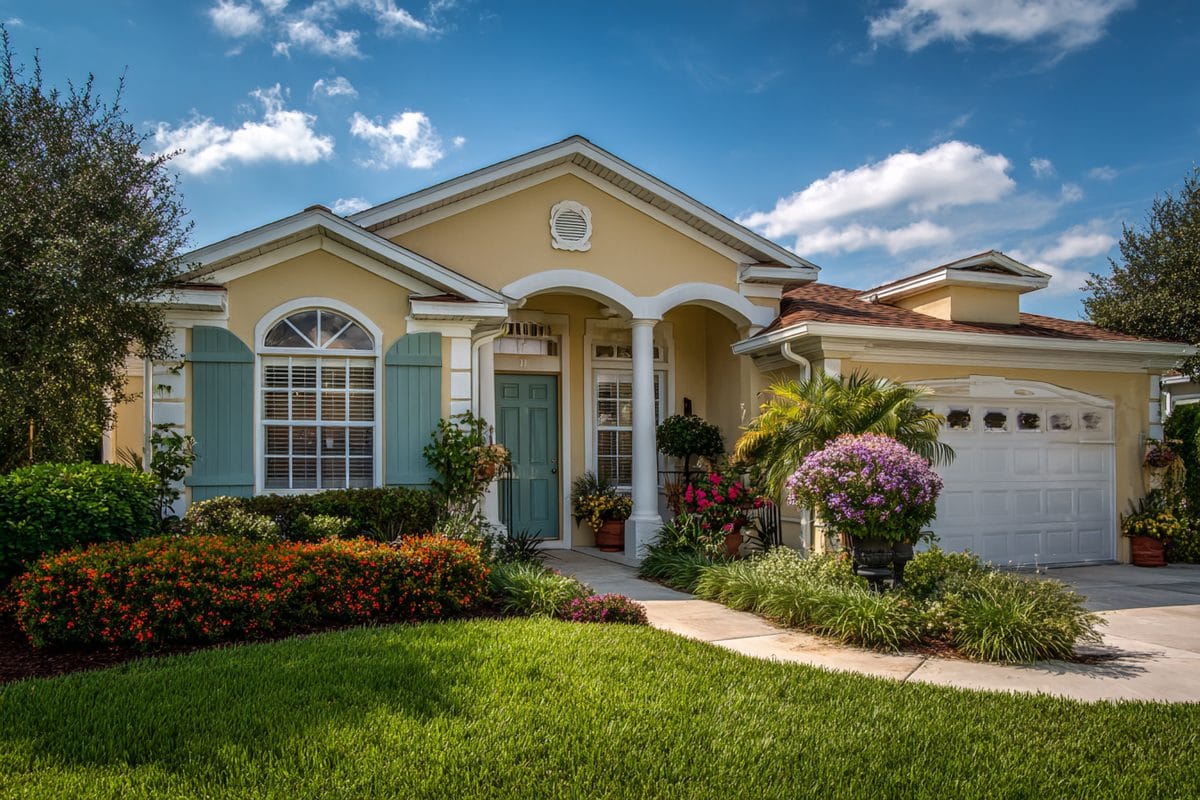
Exterior repaints are a large part of the work I do throughout Auburn and Placer County. If you need a residential painter in Auburn for a full exterior assessment or repaint, take a look at what I offer.
Frequently Asked Questions
How long does exterior house paint typically last?
In the Auburn and foothills area, quality exterior paint lasts 8-12 years with proper prep and application. Budget paint may fail in 5-6 years, while premium paint and excellent prep can extend life to 12-15 years. South and west-facing walls exposed to direct sun fade and fail sooner than shaded areas.
What causes exterior paint to peel and flake?
Peeling happens when moisture gets behind the paint film, breaking the bond between paint and substrate. This occurs when the original paint wasn't properly prepped, poor ventilation traps moisture, or cracks and gaps let water in. Inadequate primer or low-quality paint also peels sooner than premium finishes.
How much does it cost to paint a house exterior in Auburn?
Exterior painting costs vary by home size, complexity, and prep needed. A typical single-story home in Auburn runs $2,500-$5,000. Two-story homes often range $5,000-$10,000+. Request quotes from local painters that include pressure washing, scraping, priming, and two finish coats for an accurate estimate.
Do I need to pressure wash before repainting exterior?
Yes. Pressure washing removes chalk, mildew, dirt, and loose paint that prevent adhesion. Without it, new paint won't bond properly and will fail sooner. Use 1,500-2,500 PSI for wood or vinyl siding, and allow at least 48 hours of drying time before painting.
Can you paint over peeling exterior paint?
No. You must scrape off peeling paint first. Painting over peeling paint means the new paint will adhere to the loose old paint, which will eventually fail. Proper prep, scraping, sanding, and possibly priming bare spots, is essential for durability.
What's the best time of year to repaint a house exterior in Auburn?
Spring and fall are ideal for exterior painting in the foothills. Temperatures between 50-85°F and low humidity create optimal curing conditions. Summer heat can cause paint to dry too fast and cure unevenly. Winter rain and cold make drying difficult. Plan painting during the shoulder seasons for the best results.